
FANR License Abu Dhabi
Practical support for FANR License Abu Dhabi in your location. Clarify relevant documentation, technical assessment and coordination steps for your facility and equipment.
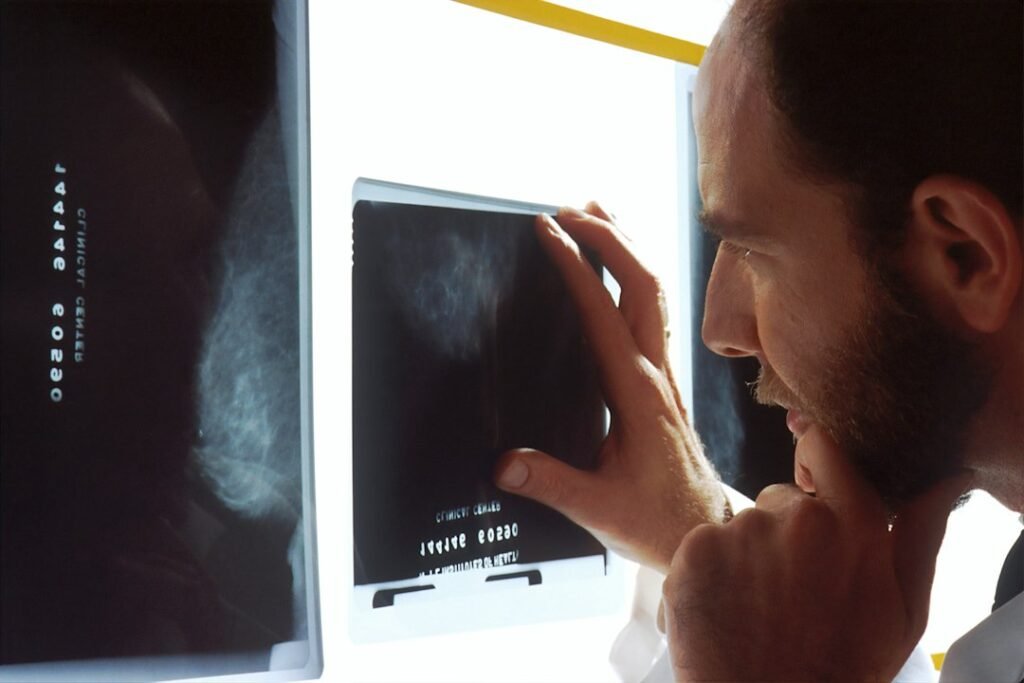
Requirements review
Clarify facility type, equipment, location and requested service.
Technical documentation
Identify applicable records, assessments and evidence for the case.
Follow-through
Coordinate next steps, outstanding actions and further consultation.
Discuss Your Location-Specific Requirements
Share your location, facility or organization type, equipment or course, and the support you need so the team can discuss next steps.
FANR License Abu Dhabi | FANR Licensing Support UAE

FANR Licensing Support for Abu Dhabi
When Licensing Support Is Relevant
Facility and Equipment Records
Radiation Protection Documentation
Technical Reports and QC
Changes and Gaps
Local Context in Abu Dhabi
Controlled Document File
Pre-Submission Readiness
Common Problems
Medcare Hub Support
After Licensing or Renewal
FAQ
Can Medcare Hub guarantee FANR approval? No. Medcare Hub supports preparation and coordination; regulatory decisions remain with the competent authority.
What if equipment changed since the previous licence? The current equipment record should be reviewed and the change addressed in the licensing file.
Does the service cover healthcare licensing too? This page focuses on FANR-related radiation licensing. Other emirate-specific requirements should be assessed separately.
Can you help with an urgent renewal? A readiness review can identify priority gaps, although earlier preparation gives more time to resolve them.
Can the documentation be reused? Relevant records can be retained, but the file should be updated whenever the facility or radiation sources change.
Start FANR Licensing Preparation in Abu Dhabi
Need FANR License Abu Dhabi support?
Get UAE-focused support with FANR documentation, licensing preparation, technical requirements and compliance follow-up.
Planning a FANR Licensing File in Abu Dhabi
Start by defining the regulated activity and the actual facility scope. A diagnostic clinic, dental practice, hospital department and industrial user may have different equipment, workflows and supporting evidence. In Abu Dhabi, document the legal entity and operating location, the service to be provided, the radiation sources planned for use and the people who will be responsible for safe operation. Confirm current requirements through official FANR guidance before relying on a checklist.
Build the equipment schedule from supplier and installation information. Include the manufacturer, model, serial number when available, intended room or work area, equipment type and status in the project. Keep the schedule aligned with purchase orders, technical specifications, layout drawings and subsequent installation records. If a specification changes, update the controlled schedule and assess whether the change affects other parts of the licensing file.
Coordinate radiation protection early with room planning and facility design. Relevant factors may include the workload and use of the room, adjacent occupied areas, equipment configuration, access control, warning indicators and operating procedures. A shielding or radiation survey assessment must be appropriate to the actual installation and applicable requirements; a generic room description or a drawing from a different project should not be treated as evidence for this facility.
Prepare a radiation-protection document set that reflects the proposed activity. Depending on scope, it may address responsibilities, staff competence, operating procedures, controlled areas, monitoring, equipment quality control, incident response, record retention and management oversight. Assign an owner to each procedure and make sure the staff who will use it can access the current version. Templates are starting points, not substitutes for a site-specific review.
Create a traceable technical file. Keep equipment specifications, installation and commissioning records, relevant quality-control or radiation assessment reports, maintenance arrangements and room information together with clear dates and identifiers. Where a test or assessment is required, plan it around installation milestones and access to the room. Reports should describe the installed equipment and conditions rather than an assumed configuration.
Make responsibility explicit before operations begin. Identify who maintains the equipment register, who coordinates radiation protection, who tracks training and monitoring records, who manages service visits and who escalates a safety concern. These assignments should be practical for the organisation’s size and work pattern, documented and understood by the people involved.
For a project in Abu Dhabi, coordinate the radiation-licensing workstream with other facility approvals, fit-out activities and commissioning tasks without confusing their separate responsibilities. Confirm the latest requirements and sequence directly with the relevant authority and project stakeholders. Do not schedule clinical or operational use on the assumption that an application or a technical report alone constitutes permission to operate.
Medcare Hub can support document preparation, technical coordination, equipment-register review and readiness checks. The facility must provide accurate information and retain responsibility for its application and operations. FANR and other competent authorities make their own regulatory decisions; Medcare Hub does not issue licences and cannot guarantee approval.
A useful readiness meeting ends with a written action log: the issue, its owner, evidence needed, target date and status. Review the log with the project lead until outstanding items are closed or formally escalated. This approach helps prevent a missing document, inconsistent equipment detail or late technical appointment from being discovered only at the end of the project.
Practical document-control checklist
- Use one current equipment register and identify the source of each equipment detail.
- Keep drawings, technical reports and room identifiers aligned with the actual installation.
- Maintain a version-controlled radiation-protection document set and record who approved internal changes.
- Track training, monitoring and quality-control evidence where applicable to the activity.
- Log gaps, assign an owner and retain evidence when the action is closed.
- Separate draft material and superseded reports from the controlled current file.
Frequently asked questions
Does submitting documents mean we can begin operating? No. Follow the applicable official authorisation and commissioning requirements; do not assume submission alone permits operation.
Which documents are needed? The set depends on the activity, equipment and current requirements. Confirm the applicable official checklist and build the file around the actual facility.
Can one generic radiation-protection file be used for every clinic? A controlled template can help, but responsibilities, equipment, rooms and procedures must be checked and tailored to the specific facility.
Can Medcare Hub guarantee a licence? No. It can support preparation and technical coordination, while decisions remain with the competent authority.
Discuss your Abu Dhabi project: Share the facility type, equipment schedule, licence status (if applicable) and available documents with Medcare Hub for a scoped discussion of next steps. Official requirements should always be checked against current FANR instructions. Contact Medcare Hub.
Need Help with FANR License Abu Dhabi?
Contact MedCare Hub to discuss your requirements, service scope, documentation and next steps. Share your location, organisation type and relevant details so the team can direct your enquiry appropriately. Applicable approvals and requirements should be confirmed with the relevant authority.
Need Help with FANR License Abu Dhabi?
Contact MedCare Hub to discuss your requirements, documentation and next steps. Share your location, organisation type and relevant details so your enquiry can be directed appropriately. Confirm applicable approvals and regulatory requirements with the relevant authority.