
MRI Safety Training Services in UAE

Comprehensive MRI Safety Awareness & Compliance Training
Medcare Hub provides specialized MRI Safety Training programs designed to ensure safe operations within MRI environments while maintaining full compliance with international safety standards and regulatory expectations. Our training equips healthcare professionals with the knowledge required to prevent MRI-related incidents, protect patients, and ensure safe imaging workflows across clinical facilities.
MRI systems produce extremely strong static magnetic fields, radiofrequency energy, and rapidly changing gradient fields. Without proper training, these environments can present significant risks including projectile accidents, thermal injuries, device malfunction, and unsafe patient screening errors. Our structured training programs are designed to eliminate these risks through evidence-based education and practical safety protocols.
Why MRI Safety Training is Essential
MRI suites are among the most controlled environments in healthcare. Even minor safety breaches can result in serious consequences.
MRI safety training is essential because it helps:
- Prevent projectile accidents caused by ferromagnetic objects
- Avoid thermal burns from RF energy exposure
- Ensure safe handling of patients with implants and medical devices
- Strengthen access control across MRI safety zones (Zone I–IV)
- Improve emergency preparedness and response protocols
- Support compliance with international MRI safety guidelines
Proper training ensures that all staff understand the risks and follow standardized procedures when working in or around MRI environments.
Why MRI Safety Is Different
MRI does not use ionizing radiation, but the static magnetic field, time-varying magnetic fields and radiofrequency energy create a distinct safety environment. Safe MRI operation therefore requires dedicated screening, access control, equipment identification, staff training and emergency procedures rather than simply applying X-ray radiation safety rules.
The American College of Radiology maintains dedicated MR safety guidance and states that the MR environment requires written and enforced safety practices. Its current MR safety resources include guidance on screening, access control and the management of MR hazards. citeturn3search4turn3search12
MRI Safety Zones
A structured zoning system helps control access to increasingly restricted areas around the scanner. The facility should define which personnel may enter each zone, how patients and visitors are screened and where supervision is required. The exact facility configuration should follow the current MR safety programme adopted by the site.
Patient Screening Before MRI
Screening should identify relevant implants, devices, metallic foreign bodies and other conditions that can create a risk in the MR environment. The ACR Manual on MR Safety recommends thorough screening and notes that ferromagnetic detection systems can be used as an adjunct, not as a replacement for careful screening. citeturn3search12
Screening should be documented and repeated according to the facility’s policy and the circumstances of the patient. The process should be designed so that staff do not rely on a single question such as “Do you have metal?” because implant and device safety can require detailed verification.
Implants and MR Conditional Devices
Implanted medical devices should be identified accurately before MRI. A device marked MR Conditional is not automatically safe under every scanning condition. The facility must verify the specific device conditions and follow the manufacturer’s applicable instructions and the site’s MR safety process.
ACR notes that some implanted devices can involve restrictions related to magnetic field strength, radiofrequency energy, scan duration, positioning or device programming. citeturn3search9
Ferromagnetic Objects and Projectile Risk
Ferromagnetic objects can become hazardous in the MR environment. Common controls include restricting access, screening people and belongings, controlling equipment entering restricted zones and using MR Safe or MR Conditional equipment appropriately. Conventional metal detection is not a substitute for a proper MR safety screening process. citeturn3search12
MR Safe, MR Conditional and MR Unsafe
Equipment brought into an MRI environment should have an appropriate safety classification or documented assessment. Staff should not assume that ordinary hospital equipment is suitable simply because it is nonmagnetic-looking. The facility should maintain an inventory of equipment approved for each relevant MR area.
Emergency Procedures
The MRI emergency plan should cover events such as patient distress, medical emergencies, equipment problems, fire and situations requiring controlled removal of a patient from the scanner environment. Staff should understand who leads the response and which actions can be taken safely around the magnet.
Emergency procedures should be practised periodically and coordinated with the facility’s wider emergency response system. Special attention should be given to equipment that is not MR Safe or MR Conditional.
Quench and Cryogen Safety
Superconducting MRI systems use cryogenic systems and may have a quench mechanism. The facility’s emergency plan should explain the circumstances under which a quench may occur, who can initiate or respond to one, evacuation arrangements and how the manufacturer-specific system should be managed. Staff should follow the scanner manufacturer’s emergency procedures and the facility’s MR safety programme.
Hearing Protection and Acoustic Noise
MRI scanning can generate substantial acoustic noise. The facility should provide hearing protection appropriate to the examination and scanner environment and ensure that patients understand how to use it. Staff should also consider the hearing-protection needs of companions and personnel who remain in relevant areas.
RF Heating and Burns
Radiofrequency energy can create heating risks under certain conditions. The facility should follow the manufacturer’s instructions and established MR safety procedures for patient positioning, cables, monitoring devices and conductive materials. Particular attention should be paid to loops, skin-to-skin contact and equipment that has not been approved for the MR environment.
MRI Equipment Quality Control
MRI quality control should be modality-specific. The ACR maintains an MRI QC programme covering system performance and states that qualified medical physicist or MR scientist oversight is required within its accreditation framework. Its current QC guidance includes performance parameters such as magnetic field strength, gradient behaviour, RF power deposition and acoustic noise. citeturn3search1turn3search0
Acceptance Testing and Baseline MRI Performance
Acceptance testing establishes a baseline after installation. A complete evaluation should identify measurable system parameters and compare them with manufacturer specifications and the applicable technical requirements. This baseline supports future trend monitoring and helps identify performance changes.
Routine MRI QC
Routine QC should be scheduled and documented. The exact tests and frequencies depend on the scanner, facility programme and applicable accreditation or technical requirements. Results should be reviewed for trends and significant changes, not merely stored.
MRI Preventive Maintenance
Preventive maintenance should be scheduled and documented by qualified service personnel. Service records should be retained with the MRI equipment history. If service work affects safety systems or scanner performance, the facility should determine whether additional testing is appropriate before returning the system to routine use. citeturn3search1
MRI Staff Training
MRI staff should receive training appropriate to their role. Training can address screening, zoning, MR equipment classifications, emergency response, projectile hazards, patient communication and the safe use of ancillary equipment. Staff who are not MRI specialists but may enter controlled areas should also receive appropriate orientation.
MRSO and MRI Safety Governance
A facility should clearly assign responsibility for MR safety. Depending on the organisation, this can involve an MR Medical Director, MR Safety Officer, qualified medical physicist or other designated personnel. The roles should be documented and integrated into the facility’s governance structure.
MRI Safety Audits
Internal audits can verify signage, access control, screening records, equipment inventories, staff training, emergency procedures and maintenance evidence. The ACR’s current resources identify signage, access control, screening and cryogen safety as components of an MRI safety programme. citeturn3search1turn3search5
MRI Facility Design
New MRI projects should address the scanner room, control room, equipment movement, access pathways, emergency arrangements and MR-specific environmental requirements. The design should be coordinated with the scanner manufacturer’s specifications and the facility’s MR safety programme.
Changing or Replacing an MRI Scanner
Replacing an MRI system should trigger a review of the room, equipment inventory, safety programme, QC baseline and relevant technical documentation. A different magnet strength or system configuration can change operational requirements.
How Medcare Hub Supports MRI Safety
Medcare Hub can coordinate MRI safety training, MRSO-related training, QC documentation, safety programme development, staff training records and compliance evidence. The technical safety programme should be reviewed and approved by appropriately qualified personnel and maintained according to the current facility requirements.
MRI Safety FAQ
Is MRI radiation safety the same as X-ray radiation safety?
No. MRI uses a strong magnetic field and radiofrequency energy rather than ionizing radiation, so the safety hazards and controls are different.
Is an MR Conditional implant automatically safe?
No. The specific device conditions must be verified and followed.
Can a metal detector replace MRI screening?
No. ACR guidance describes ferromagnetic detection as an adjunct to, not a replacement for, thorough screening. citeturn3search12
Does MRI equipment need QC?
Yes, MRI facilities should maintain an appropriate equipment performance and quality-control programme. The exact programme depends on the facility and applicable requirements.
Important MRI Safety Note
This page provides general MRI safety information and does not replace the current ACR Manual on MR Safety, manufacturer instructions, local requirements or professional MR safety advice. ACR currently provides a 2026 Manual on MR Safety and related MR safety resources. citeturn3search4

MRI Safety Training Objectives
Our MRI Safety Training program is designed to build both foundational awareness and advanced operational competence.
Participants will learn how to:
- Understand MRI physics and associated safety risks
- Identify MRI safety zones and access restrictions
- Conduct effective patient screening procedures
- Recognize MRI unsafe, MRI conditional, and MRI safe items
- Apply safe practices for implants and electronic devices
- Follow emergency protocols including quench and fire response
- Reduce risks related to RF heating, gradient stimulation, and static field hazards
- Implement hospital-based MRI safety policies and procedures
Who Should Attend MRI Safety Training?
This training is essential for all personnel working in or near MRI environments, including:
- MRI Technologists and Radiographers
- Radiologists and Imaging Physicians
- Nurses supporting MRI procedures
- Anesthesia and sedation teams
- Hospital safety officers and compliance teams
- Maintenance and engineering staff
- Cleaning and support personnel
- Medical physics and research staff
- Emergency response personnel entering imaging zones
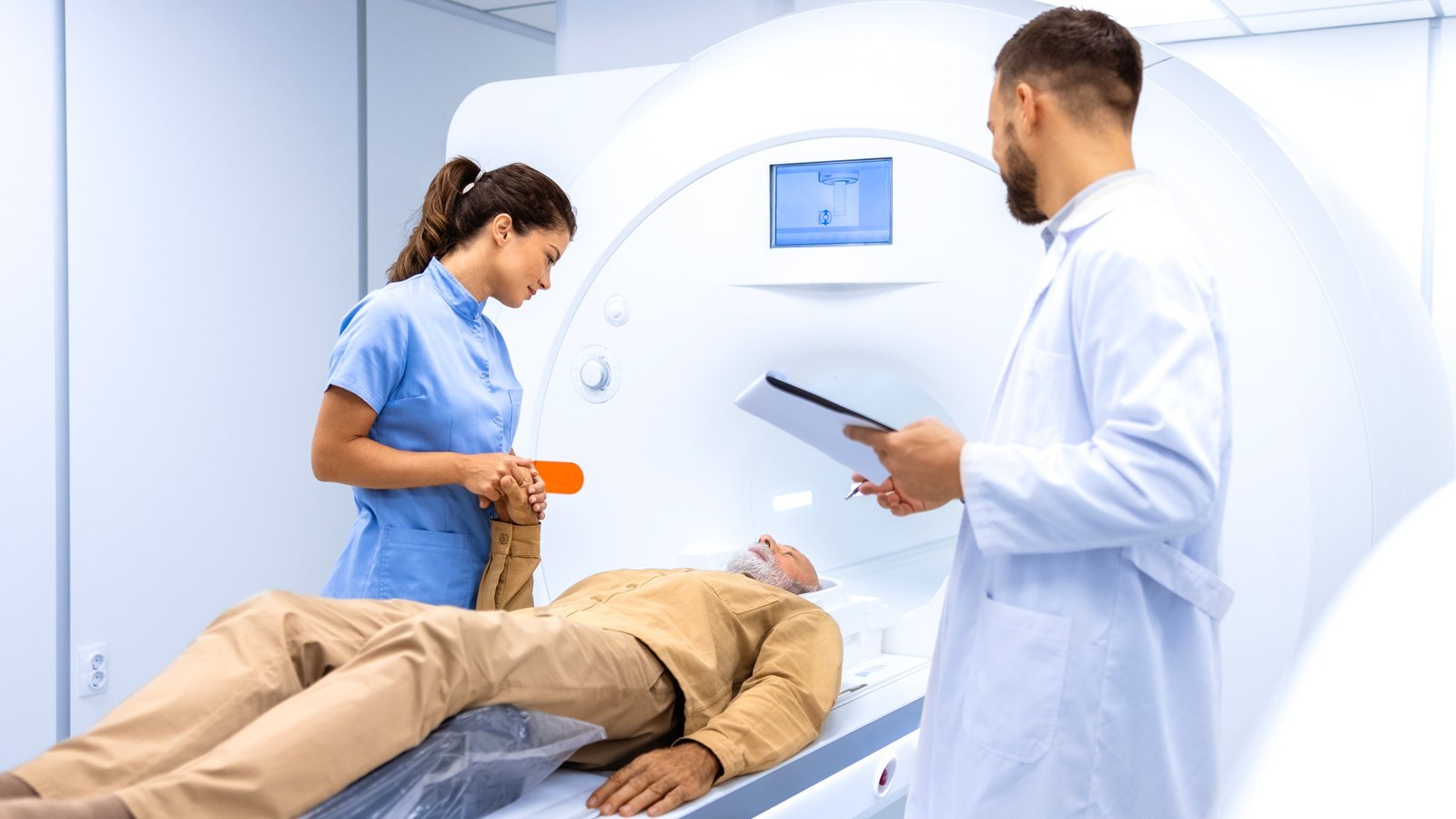
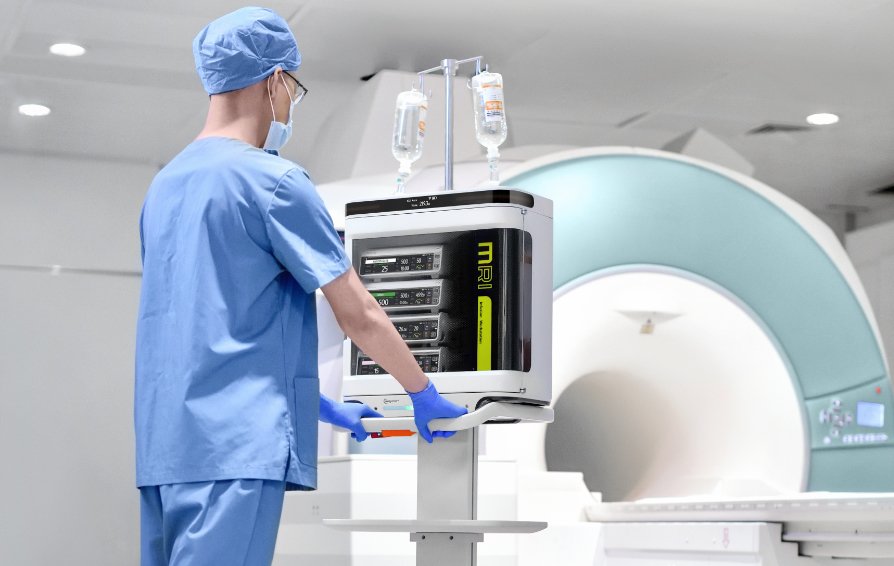
MRI Safety Zones Explained (ACR Model)
Understanding MRI controlled areas is critical for preventing accidents.
Zone I – Public Area
General access areas such as hospital entrances and corridors.
Zone II – Patient Interface Area
Reception and screening areas where initial safety checks occur.
Zone III – Restricted Access Area
Controlled access zone requiring trained personnel due to strong magnetic field exposure risks.
Zone IV – MRI Scanner Room
Highest risk zone where the magnetic field is fully active and strict safety protocols must be enforced at all times.
Course Modules Overview
Our structured training program includes both theoretical and practical components:
MRI Fundamentals & Safety Physics
- Static magnetic fields
- Gradient fields and RF energy
- Biological effects and safety thresholds
MRI Hazards & Risk Prevention
- Projectile risk and ferromagnetic detection
- RF burns and thermal safety
- Acoustic noise hazards
- Cryogen and quench safety
Patient Screening & Implant Safety
- Pre-scan screening protocols
- Implant classification and risk assessment
- Use of MRI safety databases
- Handling emergency contraindications
MRI Safety Procedures & Workflow
- Safe patient positioning
- Coil and equipment safety
- Cable management and loop prevention
- Workflow optimization in MRI suites
Emergency Preparedness
- Quench procedures
- Fire and evacuation protocols
- Code response in MRI environments
- Incident reporting and documentation
Level-Based Training Structure
Level 1 MRI Safety Awareness Training
Designed for staff who enter MRI areas occasionally. Focuses on awareness, hazard recognition, and safe conduct.
Level 2 MRI Safety Training
Advanced training for professionals responsible for MRI operations, patient screening, and safety decision-making.
Benefits of MRI Safety Training
Implementing structured MRI safety training provides:
- Reduced risk of MRI-related accidents
- Improved patient safety and clinical confidence
- Compliance with international safety standards
- Stronger institutional risk management
- Standardized MRI workflow procedures
- Better coordination between clinical departments
MRI Safety Compliance Standards
Our training aligns with internationally recognized frameworks including:
- American College of Radiology (ACR) MRI Safety Guidelines
- IEC safety principles for medical imaging systems
- Global hospital accreditation requirements
- Institutional MRI safety policies and best practices
Services we provide across UAE
- Dubai
- Abu Dhabi
- Sharjah
- Ajman
- Ras Al Khaimah
- Fujairah
- Umm Al Quwain
- Al Ain
Why Choose Medcare Hub?
Medcare Hub is a trusted provider of radiation safety, MRI safety, and clinical compliance services in the UAE, supporting hospitals, diagnostic centers, and healthcare institutions.
We provide:
- Expert-led training sessions
- Facility-specific safety recommendations
- Practical, real-world MRI workflow guidance
- Compliance-focused documentation support
- On-site and customized training programs
Conclusion
MRI Safety Training is not optional—it is a critical requirement for safe imaging operations. With increasing MRI usage and growing complexity of implants and devices, structured safety education is essential for every healthcare facility.
Medcare Hub ensures your team is trained, compliant, and confident in managing MRI environments safely and effectively.