
X-Ray Equipment Quality Control (QC) & Quality Assurance (QA) Services in UAE
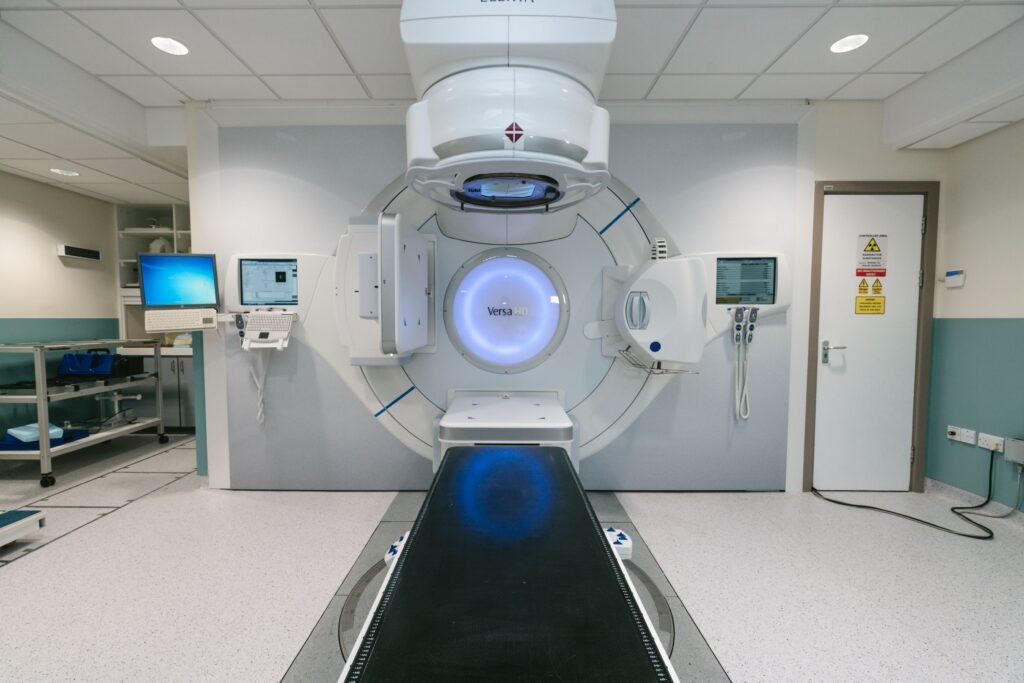
Ensure Accurate Diagnostics, Radiation Safety & FANR Compliance
At Medcare Hub, we provide comprehensive X-Ray Equipment Quality Control (QC) and Quality Assurance (QA) services designed to ensure diagnostic imaging systems operate safely, accurately, and in full compliance with UAE regulatory requirements. Regular QC testing helps healthcare facilities maintain optimal image quality, reduce unnecessary radiation exposure, prevent equipment failures, and meet the standards required by the Federal Authority for Nuclear Regulation (FANR).
Our qualified medical physicists and technical specialists perform detailed performance evaluations on a wide range of radiology equipment, helping hospitals, clinics, dental centers, and diagnostic facilities maintain the highest standards of patient care and radiation safety.
Why X-Ray Quality Control is Important
Medical imaging equipment gradually changes performance over time due to continuous usage, aging components, environmental factors, and maintenance activities. Without routine quality control testing, these changes can affect image quality, increase patient radiation dose, and compromise diagnostic accuracy.
A structured QC program helps facilities:
- Maintain consistent image quality
- Reduce repeat examinations
- Minimize radiation exposure to patients and staff
- Detect equipment faults before major failures occur
- Extend equipment lifespan
- Improve diagnostic confidence
- Meet FANR and health authority requirements
- Prepare for regulatory inspections and audits
Routine quality assurance programs are recognized internationally as an essential component of safe and effective diagnostic imaging operations.
Our X-Ray QC Testing Services
Acceptance Testing
Our technical team coordinates acceptance testing with appropriately authorized personnel and service providers before new imaging equipment is placed into clinical operation to verify that the system performs according to manufacturer specifications and regulatory requirements.
Our acceptance testing includes:
- Equipment performance verification
- Radiation output measurements
- Image quality assessment
- Safety interlock testing
- Exposure parameter validation
- Documentation review
- Baseline performance establishment
Acceptance testing provides a benchmark for future quality assurance evaluations.
Periodic Quality Control Testing
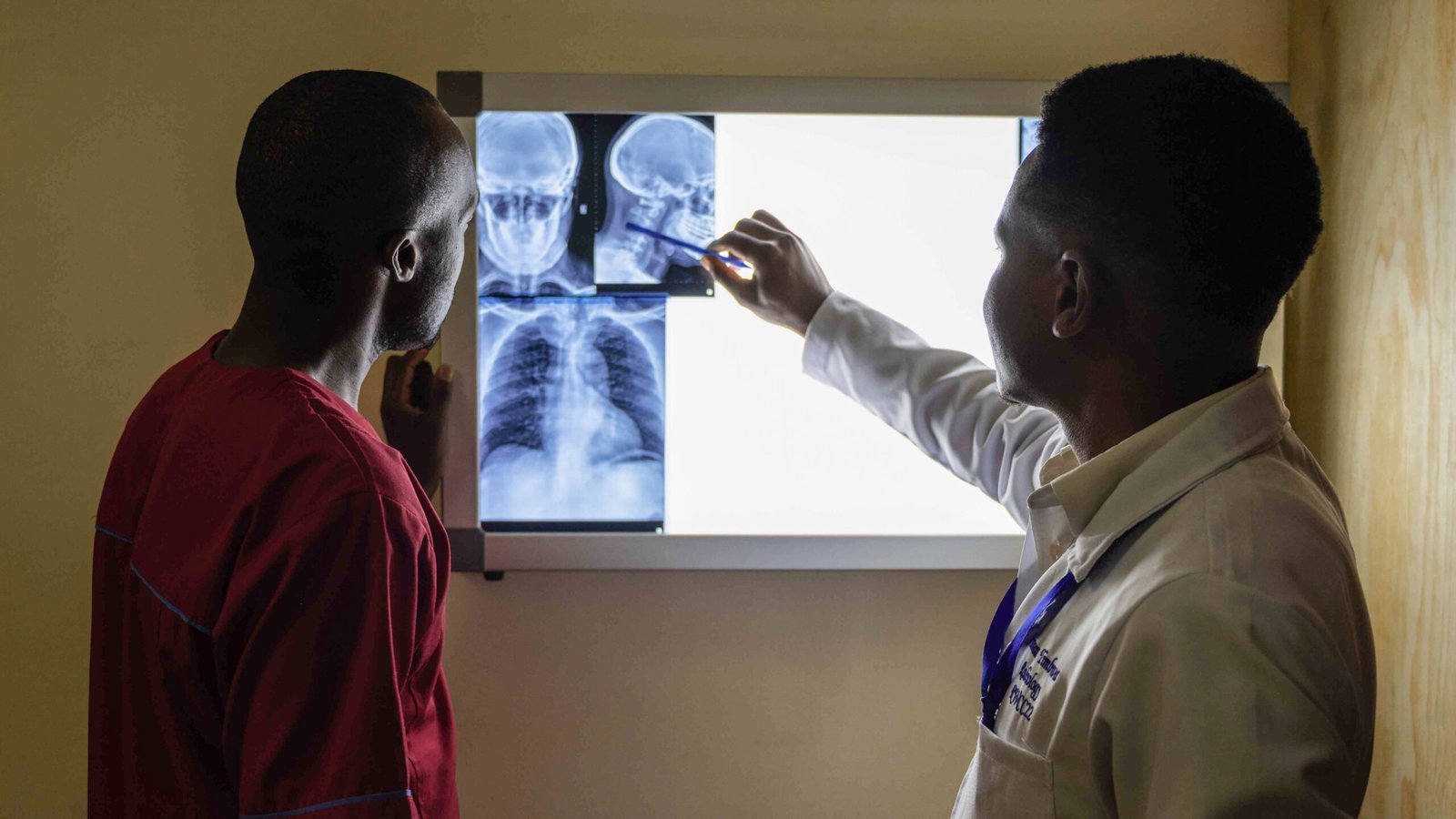
Regular QC inspections help identify performance variations before they impact patient care.
Our testing includes:
Radiation Output Assessment
- kVp accuracy
- Exposure time accuracy
- mA and mAs linearity
- Radiation output consistency
- Beam quality verification
- Half Value Layer (HVL) measurements
Image Quality Evaluation
- Spatial resolution testing
- Contrast resolution assessment
- Uniformity checks
- Image receptor performance
- Detector calibration verification
- Artifact analysis
Safety Verification
- Radiation leakage measurements
- Tube housing integrity checks
- Warning light functionality
- Exposure indicator verification
- Emergency stop validation
- Shielding performance assessment
These tests ensure diagnostic quality while maintaining radiation doses as low as reasonably achievable (ALARA).
Imaging Modalities We Test
General Diagnostic X-Ray Systems
Performance testing for:
- Digital Radiography (DR)
- Computed Radiography (CR)
- Portable X-Ray Units
- Mobile Imaging Systems
Dental Imaging Equipment
Comprehensive QC testing for:
- Intraoral X-Ray Units
- OPG Systems
- Cephalometric Equipment
- Dental CBCT Systems
Fluoroscopy & C-Arm Systems
Testing includes:
- Dose rate assessment
- Image intensifier evaluation
- Dynamic imaging performance
- Radiation safety verification
Mammography Systems
Specialized quality assurance procedures including:
- Image quality analysis
- Dose optimization
- Compression system evaluation
- Detector performance testing
Computed Tomography (CT)
Advanced QC testing covering:
- CTDI dose measurements
- Slice thickness accuracy
- Image uniformity
- Noise evaluation
- Spatial resolution analysis
What X-Ray Equipment Requires QC in the UAE?
The QC programme should be matched to the actual modality, model, clinical use and applicable technical requirements. Medcare Hub can support facilities with modality-specific QC planning for:
- Fixed digital radiography (DR) and computed radiography (CR)
- Mobile and portable X-ray systems
- Dental intraoral X-ray units
- Panoramic (OPG) and cephalometric systems
- Dental CBCT systems
- Computed tomography (CT) scanners
- C-arm and fluoroscopy systems
- Mammography systems
- Interventional and image-guided systems
Testing is not a one-size-fits-all checklist. Acceptance criteria, test frequency and instrumentation should be selected for the specific equipment and applicable protocol.
What Should an X-Ray QC Report Contain?
A useful QC report should provide enough traceability for the facility, technical reviewer and regulator to understand exactly what was tested and what the results mean. Depending on the modality, records should identify the facility, room, manufacturer, model, serial number, test date, test conditions, measurement instruments, test method, results, applicable acceptance criteria, conclusion and any corrective action.
QC Before and After Equipment Changes
QC should be integrated with the equipment lifecycle. New equipment should have appropriate acceptance or baseline testing before routine clinical use. After significant repair, replacement, relocation, software or detector changes, the facility should determine whether additional performance verification is required before returning the equipment to service.
FANR and Authorized Technical Testing
FANR is the UAE federal regulator for activities within its regulatory scope. Where a regulatory test, inspection or certification must be performed by an authorized technical service provider, the facility should use the appropriately authorized provider for that activity. Medcare Hub can coordinate the compliance workflow, documentation and scheduling while keeping the regulatory role of FANR and the technical authorization requirements clear.
Specialized Imaging Equipment- Interventional Radiology Systems
- Hybrid Imaging Equipment
- Veterinary X-Ray Systems
- Industrial X-Ray Equipment
What X-Ray Quality Control Means
X-ray quality control (QC) is the planned process used to check whether imaging equipment continues to perform consistently and safely within the applicable technical and clinical requirements. Quality assurance (QA) is broader: it includes the management system around testing, records, corrective actions, equipment maintenance, staff responsibilities and continuous review. A QC programme should therefore be connected to the equipment register and not treated as a collection of isolated test reports.
For UAE facilities, the QC programme should be appropriate to the equipment and regulated activity. FANR-REG-24 provides the basic safety standards framework for facilities and activities involving ionizing radiation. The exact tests, acceptance criteria and review intervals should be determined from the applicable equipment, technical guidance, manufacturer information and regulatory requirements rather than copied from an unrelated machine. FANR Diagnostic Radiology Protection and Safety Programme Advice
Why X-Ray QC Is Important for FANR Readiness
QC records can form part of a facility’s evidence that radiation equipment is being managed systematically. A useful record identifies the exact equipment tested, test date, test conditions, instrumentation, results, acceptance criteria where applicable, reviewer and corrective action. When equipment has several similar units, model and serial-number traceability becomes particularly important.
QC should also be linked to changes. If equipment is repaired, upgraded, relocated or replaced, the facility should determine whether additional testing or a review of the existing technical documentation is required. The applicable regulatory and technical requirements should always be checked for the specific change.
Acceptance Testing and Baseline Performance
New equipment should be documented at the point at which the facility takes responsibility for it. Acceptance testing establishes whether the installed system meets the agreed technical and performance requirements. The results can become a baseline against which future measurements are compared.
Acceptance testing should use appropriate instrumentation and a defined test method. The report should identify the equipment and conditions clearly enough that a later reviewer can understand what was measured and why.
Routine QC and Trend Monitoring
Routine QC is different from acceptance testing because its purpose is to identify deterioration, drift or changes in performance over time. Facilities should maintain a schedule based on the applicable requirements and the equipment’s risk and use. Results should be reviewed for trends rather than filed without interpretation.
A small change that remains within an acceptance range can still be useful information when viewed alongside previous results. Trend review can help the facility identify equipment requiring attention before performance becomes unacceptable.
Dental X-Ray QC
Dental practices may operate intraoral, panoramic or cephalometric systems. The QC programme should reflect the actual modality and clinical use. Equipment identification, exposure consistency, image quality, radiation output and relevant safety controls should be addressed according to the applicable technical programme.
Dental clinics should avoid using a generic QC checklist without confirming that the tests correspond to their particular equipment. The final record should identify the machine and retain the results with the facility’s technical documentation.
General Radiography QC
Fixed radiography systems should be evaluated using a programme appropriate to the generator, tube, detector and clinical workflow. The programme can address exposure performance, image receptor performance, positioning or alignment checks and relevant radiation safety parameters, depending on the equipment and technical protocol.
Where digital detectors or image-processing systems are involved, the QA process should also consider image-quality consistency and artefacts. A technical QC report should not be interpreted independently from the actual imaging workflow.
Mobile X-Ray and C-Arm QC
Mobile X-ray and C-arm systems require special attention to how the equipment is used in different rooms. The QC record should identify the equipment clearly and should be linked to its maintenance and service history. The radiation protection programme should also address safe positioning, access and occupational protection for mobile use.
When a mobile unit is transferred between departments, the facility should maintain a clear asset record so that test and service information follows the equipment.
CT Quality Control
CT quality control should be based on the specific CT scanner, its intended clinical applications and the applicable technical programme. Tests may address image quality, dose-related parameters, uniformity, artefacts and other performance characteristics as appropriate to the equipment and protocol.
CT QC should be interpreted alongside scanner maintenance and software changes. Major service interventions or equipment upgrades should trigger a review of whether additional acceptance or performance testing is appropriate.
Fluoroscopy and Interventional Equipment
Fluoroscopy and interventional systems can have complex operating modes and potentially high workloads. The QC programme should therefore be appropriate to the actual equipment and procedures performed. Radiation output, automatic exposure behaviour, image quality and relevant safety features may require evaluation under the applicable protocol.
The facility should also connect equipment QC with its radiation protection programme, staff training and dose-management procedures where applicable.
Mammography and Specialized Modalities
Mammography equipment requires modality-specific QC because image quality and dose considerations are closely linked to the intended clinical application. The programme should use the applicable mammography testing protocol and appropriate phantoms or instrumentation.
Specialized systems should never be placed under a generic “X-ray QC” checklist without verifying the required modality-specific tests and acceptance criteria.
QC Instrumentation and Traceability
Measurement instruments used for QC should be appropriate for the parameter being tested and maintained according to their calibration or verification requirements. The QC report should identify the instrument where this information is relevant to result traceability.
Medcare Hub can help maintain an equipment-and-instrument record so that the facility can see which measurement equipment was used for a particular test and whether supporting documentation is current.
QC Failures and Corrective Actions
A failed or out-of-tolerance result should generate a documented response. The response may include repeating the measurement, checking the test setup, reviewing equipment service history, contacting the service engineer, restricting use where appropriate and performing a follow-up measurement. The correct response depends on the test and its significance.
Corrective actions should have an owner and completion evidence. Closing a QC finding should mean more than writing “fixed”; the facility should retain appropriate evidence showing what was done and whether the equipment was rechecked.
QC Reports and Evidence Management
Each report should be easy to associate with the correct facility and machine. Recommended information includes facility name, room, equipment manufacturer, model, serial number, test date, tester, instrument information where relevant, protocol, results and conclusion. Version control is important when reports are revised.
Electronic records should be stored in a controlled location and linked to the equipment record. This makes it easier to answer inspection questions and prepare for licensing or renewal activities.
QC After Equipment Repair
Repair work can affect equipment performance. The facility should determine whether post-service testing is required before the equipment returns to routine use. The service report and relevant QC results should be retained together so the facility can demonstrate what changed and how performance was verified.
QC After Equipment Replacement
A replacement system should receive its own equipment record and applicable acceptance testing. Do not simply rename an old QC record with the new machine’s model. The new system should have a traceable baseline and a new history.
QC and Radiation Safety Assessment
QC and radiation safety assessment serve different purposes but should be connected. A radiation safety assessment focuses on the facility’s radiation protection arrangements and technical conditions, while QC evaluates equipment performance according to the relevant protocol. When equipment changes, both records may need review.
Related service: Radiation Safety Assessment UAE.
QC and FANR Licensing or Renewal
When preparing a licensing or renewal file, the facility should be able to locate applicable equipment and quality records quickly. A structured register can identify the last test, next scheduled test, open findings and supporting report. This is more reliable than searching through unrelated email attachments.
Related services: FANR License UAE and FANR License Renewal UAE.
QC Programme for Multi-Branch Groups
Organisations with several clinics can standardize the structure of their QC programme while keeping the actual equipment records branch-specific. A central dashboard can show overdue tests and open findings, while each branch retains its own reports. This structure supports management visibility without confusing equipment between locations.
What Medcare Hub Can Coordinate
Medcare Hub can coordinate equipment identification, QC scheduling, technical testing, report collection, corrective-action tracking and compliance evidence. The technical test itself should be performed using appropriate methods and competent personnel. The facility remains responsible for operating equipment safely and implementing required corrective actions. To request X-ray equipment QC testing, send the facility emirate and type; equipment modality and manufacturer, model or serial number if available; whether the need is acceptance, routine or after-service testing; the last QC date; and any facility or authority deadline. Do not include patient data. The test scope, technical method and any required authorization should be confirmed for the specific equipment and activity before scheduling.
X-Ray QC FAQ
Is QC the same for every X-ray machine?
No. The programme should reflect the modality, equipment and applicable technical requirements.
Should QC be repeated after major repair?
The need for post-service testing depends on the repair and the applicable protocol. The facility should determine what verification is appropriate before returning equipment to routine operation.
Do I need to keep old QC reports?
The facility should retain the records required by its applicable regulatory and quality-management arrangements. Keeping a traceable history is also useful for trend analysis and future technical review.
Can a generic QC checklist be used for CT, dental X-ray and C-arm?
A generic management framework can be useful, but the technical tests and acceptance criteria should be modality- and equipment-appropriate.
Important Technical Note
This page provides general information about X-ray QC and QA. It does not replace the current FANR regulations, applicable technical protocols, manufacturer requirements or project-specific professional advice. FANR-REG-24 should be consulted in its current version, together with the requirements applicable to the facility and equipment. FANR Diagnostic Radiology Protection and Safety Programme Advice
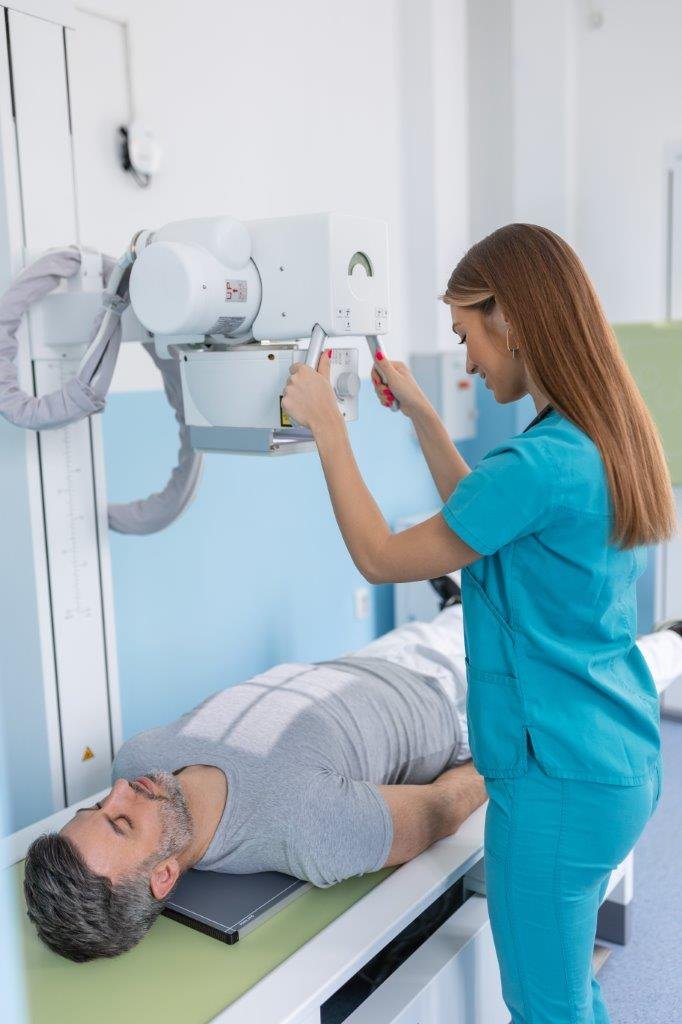
FANR Compliance Support
Maintaining compliance with UAE radiation protection regulations requires documented quality assurance programs and periodic testing of diagnostic imaging equipment.
Medcare Hub supports healthcare facilities with:
- FANR regulatory compliance guidance
- Radiation Protection Program implementation
- Quality assurance documentation
- Audit preparation support
- Technical reports and records
- Corrective action recommendations
- Inspection readiness assessments
Our team helps ensure that your facility remains compliant, audit-ready, and aligned with current radiation safety requirements.
Benefits of Choosing Medcare Hub
Qualified Technical Experts
Qualified Technical Experts
Our team includes experienced medical physicists and radiation safety professionals with extensive knowledge of diagnostic imaging systems and regulatory requirements.
Advanced Testing Equipment
We utilize calibrated testing instruments and internationally recognized methodologies to ensure accurate and reliable results.
Comprehensive Reporting
Every inspection includes detailed reports containing:
- Test results
- Compliance status
- Performance analysis
- Corrective recommendations
- Regulatory documentation support
Fast Response Across UAE
We provide on-site QC and QA services throughout:
- Dubai
- Abu Dhabi
- Sharjah
- Ajman
- Ras Al Khaimah
- Fujairah
- Umm Al Quwain
- Al Ain
Industries We Serve
Our X-Ray Quality Control services support:
- Hospitals
- Medical Centers
- Diagnostic Imaging Facilities
- Dental Clinics
- Veterinary Clinics
- Orthopedic Centers
- Surgical Facilities
- Government Healthcare Institutions
- Private Healthcare Networks
Services we provide across UAE
- Dubai
- Abu Dhabi
- Sharjah
- Ajman
- Ras Al Khaimah
- Fujairah
- Umm Al Quwain
- Al Ain
Frequently Asked Question
How often should X-Ray equipment undergo quality control testing?
The frequency depends on the equipment type, manufacturer recommendations, and regulatory requirements. Most facilities perform annual testing, while certain systems may require more frequent evaluations.
Why is image quality testing important?
Image quality directly impacts diagnostic accuracy. Poor image quality can lead to repeat examinations, increased radiation exposure, and potential diagnostic errors.
What happens if equipment fails QC testing?
Our experts identify the root cause, recommend corrective actions, and assist facilities in restoring compliance and optimal performance.
Does FANR require documented quality assurance programs?
Yes. Radiation facilities are expected to maintain quality assurance and radiation protection programs that demonstrate safe operation and regulatory compliance.
Partner with Medcare Hub for Reliable X-Ray Quality Control Services
Protect your patients, support accurate diagnoses, and maintain regulatory compliance with professional X-Ray Equipment Quality Control and Quality Assurance services from Medcare Hub. Our expert team delivers comprehensive testing, compliance support, and actionable recommendations to keep your imaging equipment performing at the highest standard.
Contact Medcare Hub today to schedule your X-Ray Equipment QC Testing anywhere in the UAE.
Need Diagnostic X-Ray QC & QA Testing?
Get UAE-focused testing and compliance support with clear documentation, technical reporting and practical next steps for your facility.