
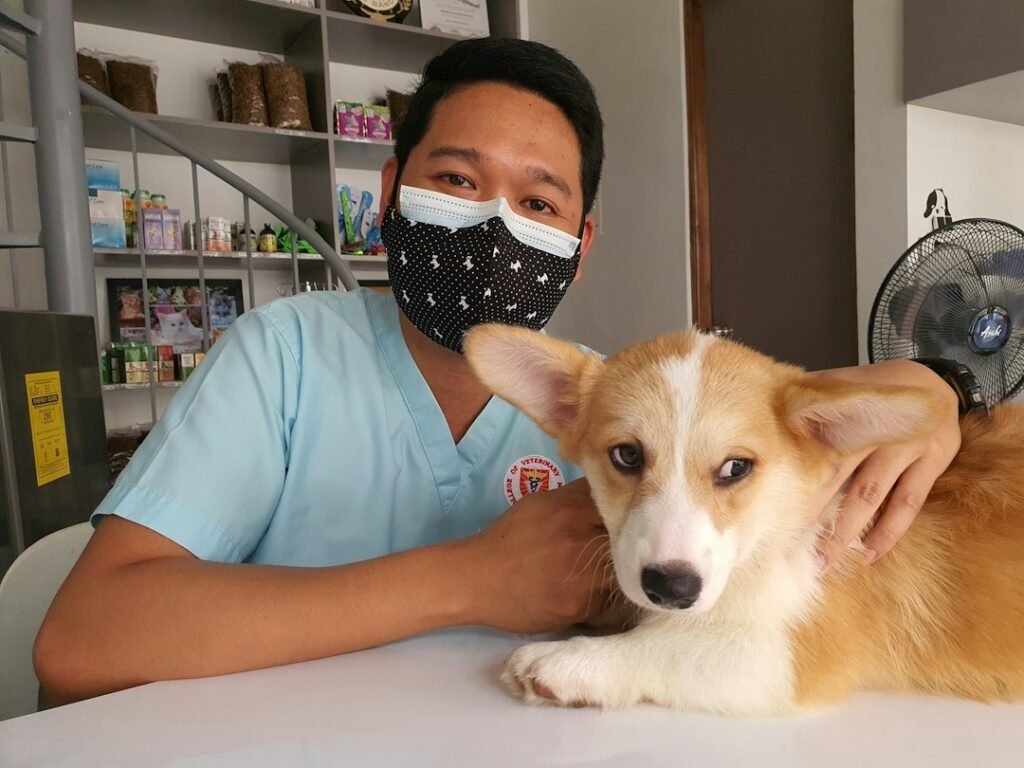
Veterinary clinic X-ray FANR licensing and renewal support in the UAE
Veterinary diagnostic imaging can support timely diagnosis, treatment planning and follow-up for companion animals, equine patients and other animals. An X-ray system is also a source of ionising radiation, so its use must be planned around the applicable regulatory authorization, room protection, trained and authorised personnel, safe operating procedures and suitable records. Medcare Hub helps veterinary clinics and animal hospitals organise the technical and documentary work associated with FANR licensing and renewal, while the regulator retains responsibility for reviewing applications and making licensing decisions.
This service is intended for veterinary clinics preparing to install an X-ray unit, facilities already operating under an authorization, practices adding or replacing equipment, and groups managing more than one clinic. The first step is to establish the actual regulated activity and the facility’s current status. Requirements can differ with equipment type, use, location, layout, workload and changes since the last review. We do not assume that one checklist automatically applies to every veterinary facility.
What our support can cover
1. Initial scope and licence review
We start by reviewing the facility name and location, existing licence or application status, equipment inventory, proposed imaging activity, responsible personnel and planned operating arrangements. The review helps identify whether the project concerns a new application, renewal, amendment, equipment addition, room modification or a general compliance gap assessment. If a clinic has several units or branches, each location and equipment record should be distinguishable rather than merged into a single unclear file.
2. Renewal planning and expiry tracking
A renewal should be managed as a controlled project, not left until the last few days. We can help establish the expiry date, identify the applicable submission window from current FANR instructions, assign internal owners, list the supporting records and track open actions. FANR’s official requirements and the conditions stated on the actual licence take precedence. As a practical control, clinics should plan well ahead, confirm the current lead time directly with FANR, and avoid assuming that submission alone extends an existing authorization.
3. Equipment and facility documentation
Useful records commonly include the X-ray manufacturer’s information, model and serial number, equipment location, room plan, equipment changes, installation or commissioning documents where applicable, relevant testing reports, shielding information, operating procedures, maintenance history and previous correspondence. The exact evidence set must be tailored to the application. We help arrange documents so that the equipment described in the application matches the equipment actually installed and used.
4. Radiation protection arrangements
Veterinary radiography can create special workflow questions because an animal may require positioning or restraint. The clinic should plan for staff protection, controlled access, safe positioning methods, appropriate protective equipment, warning signs, written procedures and the avoidance of unnecessary exposures. Any assistance by a person in the room must follow the facility’s approved procedures and applicable requirements; it should not be treated as a casual substitute for proper restraint methods. The radiation protection programme should assign responsibility, describe normal operations and explain how abnormal events are reported and reviewed.
5. Room shielding and layout coordination
Room design should be assessed against the equipment, workload, room dimensions, adjacent occupied areas and the intended operating configuration. Wall, door, viewing window and other barriers should not be selected by guesswork or copied from an unrelated clinic. We can help coordinate shielding calculations or assessments, review available drawings, identify missing design information and organise evidence for the facility file. Any design decision should be made by appropriately qualified personnel using relevant standards and the actual installation details.
6. Quality control and radiation safety testing
Testing and measurements should be selected according to the equipment, applicable requirements, manufacturer guidance and the clinic’s compliance plan. A report should identify the unit tested, date, method, instruments where relevant, findings, limitations and recommended corrective actions. If a test identifies a concern, the clinic should record who is responsible for correction, the due date, the evidence of closure and whether a follow-up check is required. A report should never be presented as proof of a licence approval unless the regulator has actually issued that approval.
7. Staff responsibilities and personal monitoring
The clinic should identify who is responsible for radiation protection, who operates the equipment, who maintains records and who acts when the designated person is absent. Training, authorisation, competency and personal monitoring arrangements should be reviewed against the actual role and regulatory requirements. Where personal dosimetry is required, the clinic should confirm suitable service arrangements and keep assignments, exchange dates, dose reports and follow-up records organised. The appropriate dosimeter type and wearing instructions depend on the work performed and the monitoring programme.
Our step-by-step workflow
- Discovery: confirm clinic location, licence status, equipment, intended activity and deadline.
- Document inventory: collect the current licence, equipment records, drawings, reports and relevant procedures.
- Gap review: compare the available file with the current official requirements and actual facility configuration.
- Technical coordination: identify whether shielding assessment, QC testing, radiation survey or another specialist input is needed.
- Action plan: assign owners and dates to missing or outdated evidence and unresolved findings.
- Application readiness: organise the supporting file and help the clinic check consistency before submission.
- Follow-up: track requests for clarification and preserve the final correspondence and decision.
Support for new clinics, upgrades and multi-branch operators
For a new clinic, early planning can prevent avoidable redesign and delays. Before purchasing equipment or finalising a room, the project team should understand the intended imaging workload, room constraints, access routes, adjacent occupancy, equipment installation requirements and licensing path. For an existing clinic, the priority is to verify that the current documents still describe the real operation. Replacement equipment, relocation, room renovations, new services or changes in responsible personnel should trigger a review of whether an amendment or updated technical assessment is needed.
For multi-branch veterinary groups, we can help establish a consistent record structure while preserving separate files for each location. A central tracker can list the clinic, equipment, licence reference, expiry date, assigned owner, latest test reports, staff monitoring status and outstanding actions. This makes group-level oversight easier without confusing one branch’s documents with another’s.
Seven-city UAE support
Medcare Hub can coordinate service requests for Abu Dhabi, Dubai, Sharjah, Ajman, Ras Al Khaimah, Fujairah and Umm Al Quwain. Al Ain can be coordinated through Abu Dhabi-area planning. Availability, travel arrangements and the need for an on-site visit should be confirmed when the scope is agreed. Local authority requirements outside FANR’s remit may also apply to the veterinary establishment, so clinics should keep their separate establishment licensing current and verify any local requirements with the responsible authority.
What to prepare before requesting support
- Clinic legal name, location and contact person.
- Current FANR licence or application reference, if available.
- X-ray make, model, serial number and room location.
- Room drawing and details of adjoining occupied spaces, where available.
- Previous shielding, survey, QC or maintenance reports.
- Radiation protection programme and relevant staff records.
- Expiry date, planned opening date or required completion deadline.
- List of changes since the last approval or assessment.
Veterinary X-ray licensing support by UAE location
Choose the location relevant to your clinic to review local planning notes, document checklists and support workflow.
- Veterinary X-ray licensing support in Abu Dhabi
- Veterinary X-ray licensing support in Dubai
- Veterinary X-ray licensing support in Sharjah
- Veterinary X-ray licensing support in Ajman
- Veterinary X-ray licensing support in Ras Al Khaimah
- Veterinary X-ray licensing support in Fujairah
- Veterinary X-ray licensing support in Umm Al Quwain
Frequently asked questions
Does a veterinary clinic need FANR authorization before using an X-ray machine?
Veterinary facility guidance and FANR requirements indicate that regulated radiation activities must be appropriately authorized before practice. Confirm the precise requirement for the equipment and activity with FANR and do not begin a regulated activity while authorization is unresolved.
Can Medcare Hub guarantee a renewal approval?
No. FANR is the decision-making authority. We can support readiness, document organisation and technical coordination, but approval depends on the regulator’s review and the facility’s compliance.
Can an old room assessment be reused?
Only after checking that the equipment, workload, room layout, barriers and adjoining occupancy assumptions remain valid and that the report remains acceptable for the current purpose.
Is veterinary establishment licensing the same as FANR licensing?
No. The establishment licence and the authorization for regulated radiation activity are distinct regulatory matters. The clinic should confirm requirements with each relevant authority.
What happens if the clinic changes equipment or relocates it?
Pause and assess the proposed change against the licence conditions and current FANR requirements before treating it as routine. An amendment, updated assessment or other action may be required.
Request a veterinary X-ray licensing review
Send Medcare Hub the clinic’s emirate, equipment details, current licence status and target date. We will use those facts to define a practical support scope, identify records to gather and clarify which technical services may be required. Official FANR instructions and the conditions of the clinic’s licence remain controlling.
Quality assurance after the renewal
Renewal preparation is also an opportunity to improve the clinic’s everyday control of radiation safety records. After the application is completed, keep a copy of the submitted file, regulator correspondence, final decision and any conditions attached to the authorization. Record the person responsible for each condition and the evidence needed to demonstrate that it has been met. The equipment register should be reviewed when a unit is replaced, relocated, serviced or taken out of use. A change log helps the clinic explain why an older drawing or report differs from the current installation.
Consider scheduling a short internal review after major changes and before the next renewal cycle. The review can check that staff know the operating procedure, warning indicators and access controls are working, protective equipment is available and maintained, and test findings have been closed out. If a staff member reports an unusual exposure, equipment fault or accidental exposure, use the written incident process, protect people first, preserve relevant records and seek appropriate professional and regulatory guidance. Do not wait until renewal time to resolve an urgent safety concern.
For a group with several veterinary locations, define one owner for group-level oversight and a local contact for each clinic. Keep each branch’s licence, equipment list, room assessment and dose-monitoring records separate, then use a summary tracker to identify approaching deadlines. This balances consistency with traceability. A well-organised record system does not replace safe practice or regulatory approval, but it helps the clinic demonstrate that responsibilities, technical evidence and corrective actions are being managed systematically.
Official references: FANR services · Dubai Municipality veterinary clinic requirements · MOCCAE veterinary establishment renewal information.