
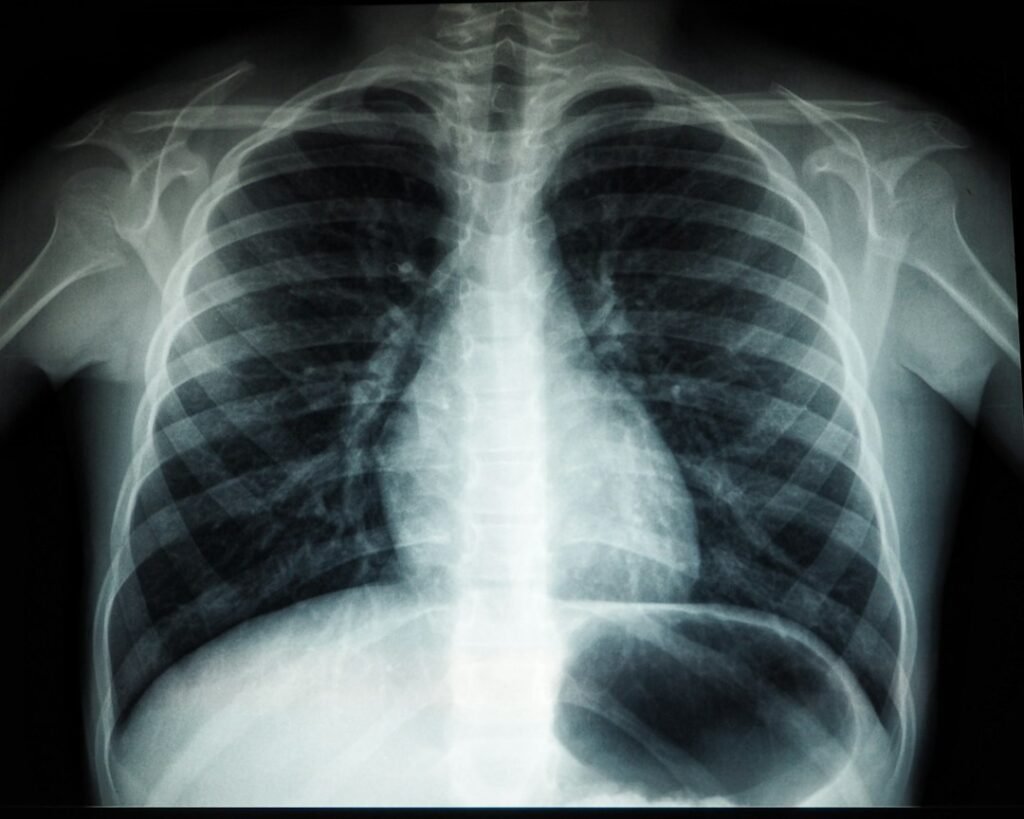
FANR e-Licensing in the UAE is more than an online form. For a radiation facility, the quality and consistency of the information submitted through the Federal Authority for Nuclear Regulation (FANR) e-Licensing system can directly affect how efficiently an application is reviewed.
This practical guide explains how radiation facilities can prepare for FANR electronic licensing, what information should be organised before starting, how the application workflow generally works, what to expect during technical review, and how to maintain compliance after a licence is issued.
Important: This is an independent educational guide prepared by Medcare Hub. It is not an official FANR publication and does not replace FANR regulations, licence conditions, official application instructions, or instructions issued by FANR for a specific application. Always use the current FANR requirements applicable to your activity.
FANR e-Licensing: quick answer
FANR provides electronic regulatory services for activities involving regulated radioactive sources and radiation generators. Depending on the activity and circumstances, the electronic process may involve licensing, registration, renewal, amendment or other regulatory transactions.
A strong application starts before the applicant logs into the portal. The facility should first establish its exact regulated activity, facility information, radiation equipment or source inventory, work locations, responsible personnel, Radiation Protection Officer (RPO) arrangements where applicable, technical documentation and radiation protection arrangements.
| Area | What to have ready |
|---|---|
| Facility | Legal entity, facility name, address, contact information and applicable local approvals |
| Regulated activity | Clear description of the radiation activity and scope being requested |
| Equipment / sources | Accurate equipment or source information, manufacturer details and supporting records as applicable |
| Locations | Work locations, storage locations or departments relevant to the application |
| Responsible personnel | Responsible person, contact person and RPO information where applicable |
| Technical evidence | Safety assessments, layouts, shielding information, testing records and other evidence where required |
| Radiation protection | Radiation Protection Programme and related procedures where required |
| Ongoing compliance | Training, monitoring, inspection, maintenance, QC and records appropriate to the activity |
What is FANR e-Licensing?
FANR e-Licensing is the Authority’s electronic channel for regulatory transactions associated with applicable radiation activities and regulated materials. FANR’s published guidance shows that applicants may enter facility, responsible-person, location and technical information electronically and submit applications for review.
The important point for facility owners is that electronic submission does not make the regulatory assessment automatic. FANR reviews the information supplied and may request corrections, additional information, technical evidence or further regulatory actions depending on the application.
Licence, registration and regulatory scope
One of the most common preparation mistakes is assuming that every radiation-related activity follows exactly the same approval route.
The applicable pathway depends on the regulated activity, the radiation generator or radioactive source involved, its characteristics, the facility and the circumstances of possession or use. FANR’s regulations distinguish between licensing and registration in certain circumstances, and FANR may determine the appropriate regulatory pathway after evaluating an application.
For this reason, a facility should confirm its regulatory scope before preparing a large application package. Do not rely solely on the name of the equipment or on how another facility was licensed.
Who should prepare for FANR e-Licensing?
Preparation may be relevant to organisations conducting applicable regulated activities involving ionising radiation, including healthcare, dental, veterinary, industrial, research and other regulated environments.
- Hospitals and medical centres
- Diagnostic imaging facilities
- Dental clinics and dental centres
- Veterinary facilities
- Industrial radiography and NDT organisations
- Research and educational organisations
- Facilities using applicable radioactive sources
- Other organisations conducting activities subject to FANR regulatory control
The actual requirement must be determined from the applicable FANR regulation and the specific activity. Facility type alone is not a substitute for regulatory scope assessment.
What to do before opening the e-Licensing application
1. Define the facility and activity scope
Write down exactly what the facility intends to do. Identify the radiation-generating equipment or radioactive materials involved, where they will be used, who will be responsible and what activities are being requested.
2. Reconcile the facility information
Use the same legal name, facility name, address, contact details and responsible-person information throughout the licensing file. Inconsistencies between corporate documents, local authority documents, equipment records and the FANR application can create avoidable clarification requests.
3. Build an equipment and source register
Create one controlled inventory before entering information into the portal. For radiation generators, capture the information needed to identify each unit accurately. For radioactive sources, maintain the applicable source identity, radionuclide and activity information and supporting records.
4. Map every relevant location
Do not treat the physical facility as one generic location. FANR’s e-Licensing guidance includes work locations and allows location types such as work location, storage facility and department. The application should therefore reflect the actual operating arrangement.
5. Confirm responsible personnel
Identify the responsible person, contact person and RPO arrangements applicable to the facility. FANR’s e-Licensing guidance notes that more than one RPO can be entered and that RPOs can be assigned to work locations.
6. Assemble technical evidence
Depending on the application, this may include room layouts, shielding information, safety assessments, radiation protection documentation, equipment records, testing evidence and other technical information requested by FANR.
FANR e-Licensing workflow: practical step-by-step
Stage 1 — Regulatory scope review
Start by determining the activity, radiation generator or source and the regulatory pathway that applies. This prevents a facility from building the wrong application package.
Stage 2 — Applicant and facility information
Prepare the legal and facility information required by the electronic application. Verify names, addresses, contacts and responsible personnel before submission.
Stage 3 — Radiation personnel and RPO information
Where applicable, enter the responsible radiation-safety personnel and ensure the information reflects the actual organisation. FANR defines the RPO as a technically competent person designated by the licensee to oversee relevant radiation protection requirements.
Stage 4 — Work locations
Add the relevant work locations and provide the information required for each location. FANR’s published e-Licensing instructions describe work location, storage facility and department options and allow RPO assignment to locations.
Stage 5 — Regulated equipment or material
Enter the regulated equipment or material accurately. Avoid copying an old application without checking whether the facility, equipment, room, workload or personnel have changed.
Stage 6 — Review before submission
Perform a consistency check across the application and supporting documents. Check spelling, addresses, equipment identifiers, locations, personnel and uploaded documents.
Stage 7 — Submit the application
After reviewing the application, submit it through the applicable FANR electronic process. FANR’s published guide explains that a successful submission generates confirmation and that the application then proceeds through regulatory review.
Stage 8 — Administrative review
FANR’s Licensing Team may review administrative information and return an application for correction or cancellation where appropriate. A complete administrative file helps avoid unnecessary cycles at this stage.
Stage 9 — Technical assessment
After administrative processing, the technical information can be assessed by the relevant FANR assessor. The exact assessment pathway depends on the application.
Stage 10 — Radiation Protection and Safety Programme
For applications where this section applies, the applicant may be asked to complete the radiation protection and safety information. FANR’s guide states that the submitted information is assessed against the requirements of FANR-REG-24 and forms a principal basis for FANR’s licensing decision.
Stage 11 — Safety assessment and pre-licensing inspection, where applicable
FANR’s published guide explains that some applications may follow a limited or full licensing process. Under a full process, safety assessment information and facility floor layouts may be reviewed before the protection and safety programme is completed, and a pre-licensing inspection may apply before a licence is recommended for issue.
Stage 12 — Decision and licence conditions
The regulatory outcome may include issuance of a licence, issuance with conditions, requests for additional information or refusal, depending on the Authority’s assessment and applicable requirements.
FANR e-Licensing document checklist
The exact document list is application-specific. Use the following as a preparation checklist rather than a universal FANR submission list.
- Legal entity and facility identification documents
- Applicable local facility or healthcare approvals
- Radiation equipment inventory
- Radioactive source information where applicable
- Facility and room information
- Floor plans and radiation-controlled-area information where applicable
- Shielding calculations, shielding drawings or technical evidence where applicable
- Safety assessment documentation where required
- Radiation Protection Programme / radiation safety documentation where applicable
- RPO and responsible-person information
- Training and competency records where applicable
- Equipment QC, testing, maintenance or calibration records where applicable
- Occupational monitoring / dosimetry records where applicable
- Emergency procedures and incident arrangements where applicable
- Previous FANR licence and amendment records for renewals or changes
What should a Radiation Protection Programme cover?
FANR’s published licensing guide states that the radiation protection programme should be commensurate with the size and nature of the regulated activity and the regulated material involved. It should address the activities included in the application and account for regulated material throughout its relevant lifecycle.
Depending on the activity, a practical programme can address:
- Management and organisational structure
- Radiation protection responsibilities
- RPO responsibilities and reporting arrangements
- Education, training and retraining
- Local rules and supervision
- Radiation monitoring and occupational exposure controls
- Equipment and facility safety arrangements
- Quality assurance and testing arrangements
- Emergency response procedures
- Incident and abnormal-event reporting
- Record keeping and document control
- Arrangements for applicable radioactive material management
The programme should reflect the facility that actually exists. A generic document that does not match the rooms, equipment, personnel or operating procedures is a weak compliance record.
Common FANR e-Licensing mistakes
- Starting the application before defining the regulatory scope. The applicant may prepare documents for the wrong pathway.
- Using inconsistent facility names or addresses. The application should match the controlled corporate and facility records.
- Entering incomplete equipment information. Build the equipment register before starting data entry.
- Ignoring work locations. The application should reflect actual locations and departments.
- Using an outdated RPO or responsible-person record. Verify roles before submission.
- Uploading a generic radiation protection programme. The programme should reflect the actual activity and risk.
- Preparing documents only after FANR asks for them. Build the evidence file early.
- Failing to review changes before renewal. Equipment additions, relocations, room changes and personnel changes can affect the licensing record.
- Treating licensing as a one-time task. Compliance continues after the licence is issued.
Renewals, amendments and changes
A controlled FANR compliance calendar should track licence expiry dates and regulatory actions. Start renewal preparation early enough to review the current facility against the existing licence.
Before submitting a renewal or amendment, compare the current situation with the licensed configuration:
- Has equipment been added, replaced or removed?
- Has equipment moved to another room?
- Have rooms or layouts changed?
- Has the regulated activity or scope changed?
- Have responsible personnel or RPO arrangements changed?
- Are testing and maintenance records current?
- Does the Radiation Protection Programme still describe the actual facility?
- Are previous FANR conditions and commitments still being met?
Preparing for FANR review or inspection
The best inspection preparation is continuous record control rather than a last-minute document collection exercise.
A facility should be able to connect its licence → locations → equipment/sources → personnel → radiation protection arrangements → testing/maintenance → training → records → findings and corrective actions.
For healthcare facilities, this approach can also connect FANR records with the broader facility compliance system used for healthcare licensing, equipment management and quality assurance.
Build a digital FANR compliance file
A practical digital compliance file can give each facility one controlled record for:
- FANR licence and licence conditions
- Licence expiry and renewal dates
- Regulated equipment and source inventory
- Rooms and radiation-controlled areas
- RPO and responsible personnel
- Radiation Protection Programme
- Safety assessments and shielding documentation
- QC and radiation safety testing
- Maintenance and calibration records
- Training and competency evidence
- Dosimetry and monitoring records where applicable
- Inspection findings and corrective actions
This structure is particularly useful when the same organisation operates multiple radiation rooms, departments, facilities or Emirates.
FANR e-Licensing for healthcare and dental facilities
Healthcare and dental facilities should coordinate FANR requirements with the rest of their facility compliance programme. Radiation licensing should not be managed as an isolated PDF folder.
A practical project can connect the FANR workstream with:
- Facility licensing and local health authority approvals
- Room and floor-plan information
- X-ray, CT, fluoroscopy, mammography and other applicable imaging equipment
- QC and acceptance-testing records
- Radiation safety assessments
- Shielding documentation
- RPO responsibilities and training
- Dosimetry arrangements where applicable
- Maintenance and service records
- Inspection and corrective-action records
FANR e-Licensing for industrial facilities
Industrial users should build their licensing file around the actual regulated activity, equipment or radioactive source, work locations and operating conditions. For NDT and industrial radiography operations, the radiation protection arrangements, source or generator controls, personnel responsibilities, storage and transport arrangements and emergency procedures require particular attention according to the applicable regulatory requirements.
Do not assume that a healthcare licensing workflow can simply be copied to an industrial operation. The regulatory scope and technical evidence must be matched to the activity.
Official FANR sources to check
For the authoritative requirements, applicants should always consult FANR’s current publications and e-services instructions. Key references include FANR’s e-Licensing instructions, the guide for applying for a regulated materials licence, FANR-REG-24 on basic safety standards for facilities and activities involving ionising radiation, and applicable FANR regulations concerning registration and licensing of radiation sources.
Regulations and guidance can be revised. The version applicable to a specific application should therefore be confirmed directly with FANR.
FANR e-Licensing UAE — frequently asked questions
What is FANR e-Licensing?
It is FANR’s electronic process for applicable regulatory transactions involving radiation activities and regulated materials, including licensing and other transactions depending on the activity.
Is FANR e-Licensing the same as getting a licence?
No. The portal is the electronic submission and transaction channel. FANR still evaluates the application and supporting information and may request corrections, technical evidence, inspections or additional information.
Does every X-ray facility follow exactly the same FANR process?
No. The applicable requirements depend on the radiation generator, regulated activity, facility circumstances and current FANR regulatory requirements.
What is an RPO?
An RPO is a Radiation Protection Officer. FANR’s guidance describes the RPO as a technically competent person designated by the licensee to oversee relevant radiation protection requirements.
Can a facility have more than one RPO?
FANR’s published e-Licensing instructions state that more than one RPO can be entered, and RPOs can be assigned to work locations as applicable.
Will FANR always require a pre-licensing inspection?
Not necessarily. FANR’s published regulated-material licensing guide explains that applications may be subject to limited or full licensing processes, and a pre-licensing inspection may apply in a full process.
What is Section D in the FANR application?
Section D relates to radiation protection arrangements / the Radiation Protection and Safety Programme. FANR’s guide explains that the information in this section is assessed against applicable requirements, including FANR-REG-24.
How can I avoid delays?
Start with scope definition, maintain consistent facility and equipment information, prepare the technical evidence early, verify responsible personnel, and review the complete application before submission.
Does Medcare Hub submit the FANR licence for the facility?
Medcare Hub provides FANR licensing support, regulatory documentation assistance and radiation-safety preparation. The facility remains responsible for the accuracy of its information and for the official regulatory application and decisions made by FANR.
Final FANR e-Licensing readiness checklist
Before submission, ask:
- ☐ Is the regulated activity clearly defined?
- ☐ Is the facility legal name and address consistent across documents?
- ☐ Is the equipment/source inventory complete and accurate?
- ☐ Are all relevant work locations identified?
- ☐ Are responsible persons and RPO arrangements confirmed?
- ☐ Are room layouts and shielding documents ready where applicable?
- ☐ Is the safety assessment ready where required?
- ☐ Does the Radiation Protection Programme match the real facility?
- ☐ Are testing, QC, maintenance and training records available where applicable?
- ☐ Has the application been checked for inconsistent information?
- ☐ Are previous licence conditions and commitments accounted for?
- ☐ Has the facility checked the latest FANR instructions before submission?
Need help preparing a FANR e-Licensing application?
Medcare Hub supports radiation facilities in the UAE with FANR account support, licensing documentation, renewals, amendments, Radiation Protection Programmes, radiation safety assessments, X-ray QC and technical compliance preparation.
Recommended starting point: conduct a FANR licensing readiness review before entering or submitting the application. This can identify missing evidence, inconsistent facility information and technical gaps before they become avoidable review cycles.
FANR Licensing & Login Support UAE · FANR Guides · FANR Radiation Safety Services UAE · Radiation Protection Program
Source note: This article is an independent practical guide based on publicly available FANR regulations and published application/e-Licensing guidance. It is not affiliated with or endorsed by FANR.