
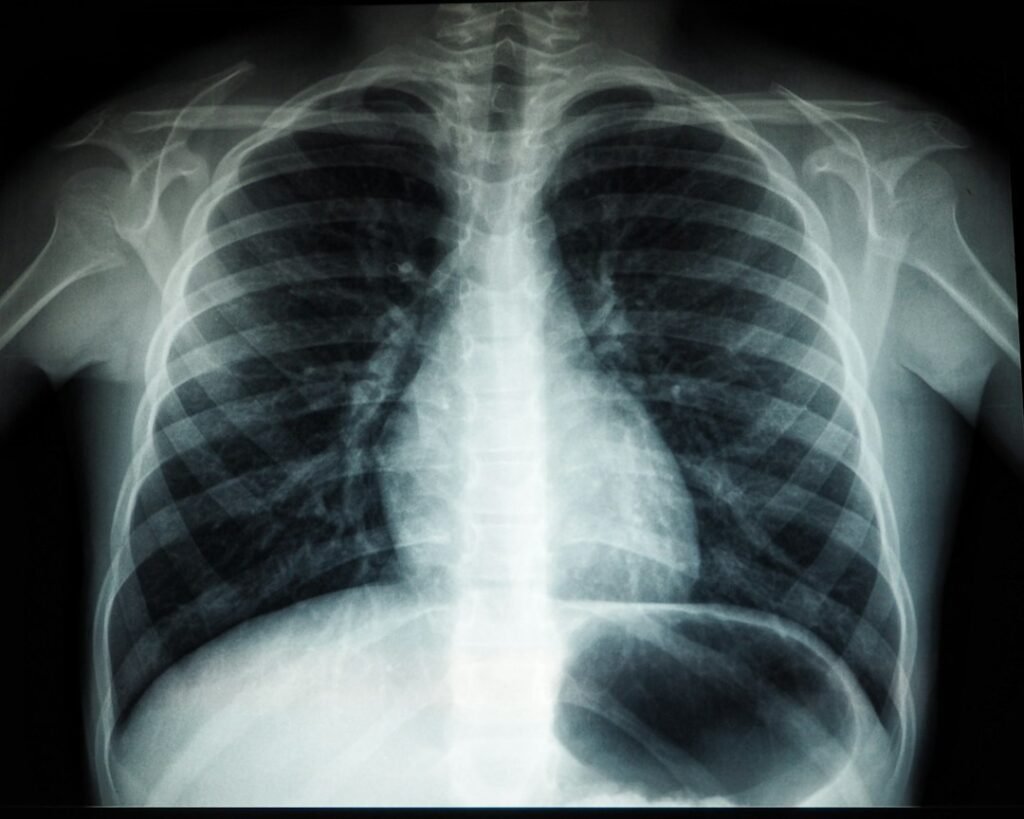
Radiation shielding is a critical part of planning, constructing, modifying, and operating an X-ray or other ionising-radiation facility in the UAE. Proper shielding is not simply a matter of choosing a lead thickness. The design needs to consider the radiation source, equipment workload, room geometry, beam direction, distances, occupancy of adjacent areas, construction materials, access points, and the applicable UAE regulatory requirements.
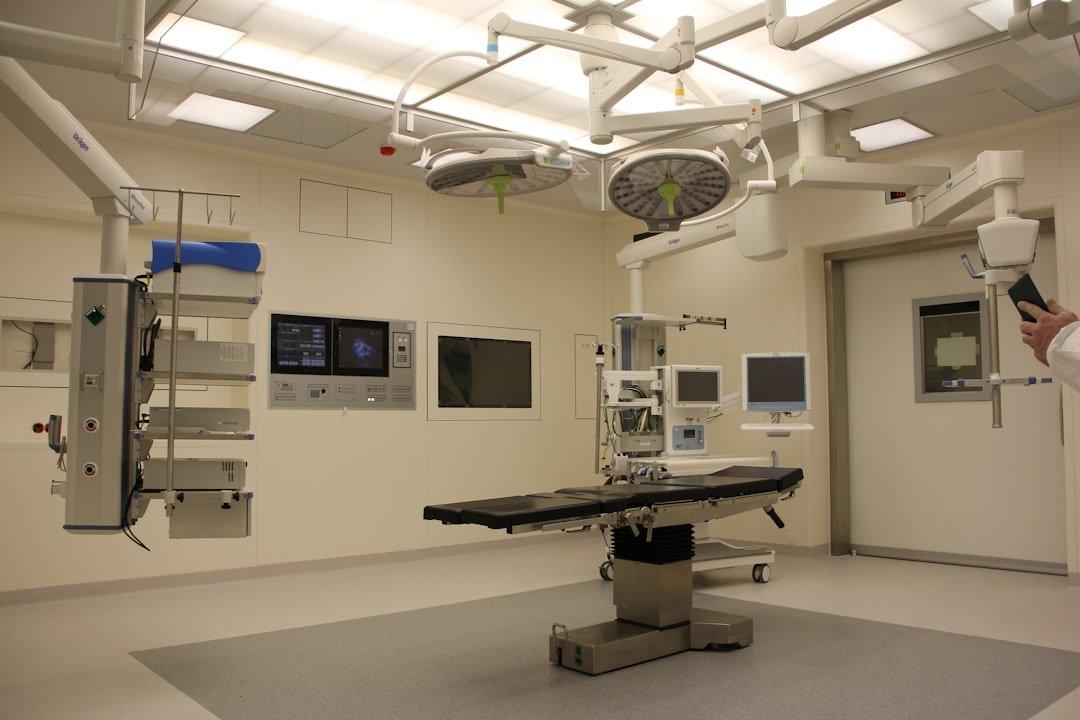
For hospitals, diagnostic centres, medical centres, dental clinics, veterinary facilities and other organisations using X-ray generators, a coordinated approach can reduce redesigns, support regulatory submissions and help maintain radiation protection for workers, patients and the public.
In this guide, Medcare Hub brings together the main considerations for radiation shielding UAE, X-ray room design, lead-lined doors and viewing windows, radiation safety assessments, quality control, Radiation Protection Programmes and FANR licensing support.
What Is Radiation Shielding?
Radiation shielding uses appropriately designed barriers and protective measures to reduce radiation levels in areas outside the intended exposure zone. In an X-ray facility, shielding may be incorporated into walls, doors, viewing windows, floors, ceilings and other structural or ancillary barriers.
The objective is not to apply the same lead thickness to every room. A technically sound design is based on the characteristics of the specific facility and its intended operation.
Why X-Ray Room Shielding Matters in the UAE
X-ray equipment produces ionising radiation. The UAE regulatory framework places responsibility for radiation protection on the relevant licensee and requires appropriate protection and safety arrangements for facilities and activities involving ionising radiation.
FANR-REG-24, the UAE regulation covering basic safety standards for facilities and activities involving ionising radiation other than nuclear facilities, is a key regulatory reference for applicable radiation protection requirements. FANR also regulates technical services related to radiation safety through FANR-REG-30.
International guidance also emphasizes that radiation protection should be considered during facility design, with shielding tailored to the intended workload, equipment and surrounding occupancy. The IAEA recommends integrating radiation protection into the planning and design stage rather than treating it as an afterthought.
What Determines the Required Shielding?
The required shielding is facility-specific. Important inputs can include:
- X-ray equipment type: such as intraoral dental X-ray, panoramic/OPG, CBCT, general radiography, fluoroscopy, mammography or CT.
- Maximum operating parameters: including relevant kVp, mA and exposure characteristics.
- Workload: expected frequency and duration of examinations and exposures.
- Beam direction and use factor: where the primary beam may be directed.
- Distance: between the radiation source and occupied areas.
- Occupancy: how frequently adjacent rooms, corridors or other areas are occupied.
- Room construction: existing concrete, blockwork, gypsum systems and other structural materials can contribute to attenuation.
- Adjacent spaces: areas above, below and beside the X-ray room may need consideration.
- Room layout: location of the X-ray tube, patient position, operator area, doors, windows, ducts and penetrations.
- Future use: changes to equipment, workload or room function may require reassessment.
For this reason, a generic statement such as “every X-ray room needs a fixed lead thickness” is not a suitable engineering basis. The final specification should follow project-specific shielding calculations and the applicable regulatory requirements.

Primary and Secondary Radiation Barriers
A shielding design generally distinguishes between areas that may receive the primary X-ray beam and areas exposed mainly to scattered or leakage radiation.
Primary Barriers
Primary barriers are designed for locations where the useful X-ray beam may be directed. Their design therefore requires careful consideration of beam orientation, workload, distance and the nature of the barrier.
Secondary Barriers
Secondary barriers address radiation arising from scatter and leakage. The design depends on the equipment, workload, distance and occupancy of surrounding areas.
The distinction between primary and secondary barriers is one reason room layouts should be reviewed before construction or major renovation begins.
What Can Be Included in an X-Ray Shielding System?
Lead-Lined Walls
Lead-lined wall systems may be used where calculations identify a need for additional attenuation. The exact lead equivalence or alternative construction solution should be selected from the project-specific shielding design rather than from a standard thickness table.
Medcare Hub provides X-ray room design and lead shielding support in the UAE, including assessment of room configuration, equipment requirements and shielding interfaces.
Lead-Lined X-Ray Doors
Doors are a common weak point if they are not properly integrated into the shielding design. A radiation-shielded door may include a lead core or equivalent protective construction, suitable overlap and hardware, and appropriate radiation warning signage.
Door selection should also consider the room layout, access requirements, frame construction and any applicable fire or building requirements. See Medcare Hub’s lead-lined door solutions for additional information.
Lead Glass Viewing Windows
Where an operator needs visual access to an X-ray room, a radiation-shielded viewing window can provide visibility while maintaining the protective barrier. The viewing panel, frame and surrounding wall should be considered as part of the complete shielding system.
Ceiling and Floor Protection
In multi-storey buildings or facilities with occupied areas above or below the imaging room, the shielding assessment may need to consider the ceiling and floor assemblies. The required protection depends on the equipment, workload, room position and occupancy of the spaces on either side of the structural barrier.
Penetrations, Ducts and Cable Routes
Shielding continuity should not be overlooked at doors, ducts, cable penetrations, electrical routes and other openings. A well-designed wall can lose protective effectiveness if penetrations are not appropriately addressed.
Warning Lights and Safety Signage
Radiation warning lights, signs and access controls can form part of the overall safety arrangement. Their configuration should be appropriate to the equipment and facility procedures and should be reviewed during commissioning and inspection preparation.
Radiation Shielding for Different Healthcare Facilities
Dental Clinics
Dental facilities may use intraoral X-ray, panoramic/OPG, cephalometric and CBCT equipment. The shielding approach depends on the equipment, room layout, workload and surrounding occupancy.
Diagnostic Imaging Centres
General radiography, fluoroscopy, mammography and CT rooms have different operational and shielding considerations. A project should assess each modality individually rather than applying one design to every room.
Hospitals and Medical Centres
Hospital projects often include multiple imaging rooms, adjacent clinical departments, public circulation areas and complex staff workflows. Shielding should therefore be integrated with the architectural, electrical, mechanical and medical-equipment design.
Veterinary Facilities
Veterinary clinics using X-ray equipment also need appropriate radiation protection arrangements. Room use, animal positioning, staff occupancy and workflow can differ from human diagnostic facilities, so the assessment should reflect the actual practice.
Industrial and Research Applications
Industrial radiography and research environments can involve different source types, workloads and controlled-area requirements. The applicable regulatory pathway and technical assessment should be established before installation or operation.
Radiation Safety Assessment: A Key Step Before Approval
A radiation safety assessment helps establish whether the proposed or existing facility has appropriate radiation protection measures. Depending on the project, it may consider the equipment, room layout, operating conditions, barriers, surrounding areas, procedures and documentation.
Medcare Hub provides radiation safety assessment support and can coordinate the technical requirements needed for regulatory readiness. Where a formal measurement, inspection or certification must be issued by an authorized technical service provider, that work should be performed by the appropriately authorized provider.
FANR Licensing and Radiation Shielding
Radiation shielding is one component of a broader regulatory process. Depending on the regulated activity, facilities may need to address licensing, facility information, equipment details, radiation protection documentation, qualified personnel, safety assessments, quality control and other supporting records.
A practical project sequence is:
- Define the facility and radiation equipment. Identify the room, modality, manufacturer, model and equipment specifications.
- Review the proposed floor plan. Identify the X-ray room, operator position and surrounding occupied areas.
- Collect workload and operating information. Establish realistic use assumptions for the shielding calculation.
- Perform the shielding assessment/calculation. Determine the required protection for the relevant barriers and interfaces.
- Finalize the shielding design. Coordinate walls, doors, viewing windows, penetrations, warning systems and construction details.
- Install the shielding. Use materials and construction methods consistent with the approved design.
- Complete verification and documentation. Confirm the installed configuration and prepare the required records.
- Complete the applicable FANR licensing process. Submit the required information through the applicable regulatory process.
- Maintain ongoing compliance. Keep QC, safety assessments, training, equipment and radiation protection documentation current.
For a broader overview, see the Medcare Hub guide to FANR licensing in the UAE for medical and dental facilities.
Typical FANR Licensing Documentation
The exact document set depends on the regulated activity and the current FANR application requirements, but a radiation facility may need to organize records such as:
- Trade or commercial licence information
- Owner or responsible manager identification documents, where required
- Facility floor plan and room layout
- Radiation Protection Programme (RPP)
- Radiation equipment information, including manufacturer, model and serial numbers
- Radiation Protection Officer or responsible safety-personnel records, where applicable
- Radiation safety assessment and shielding documentation
- Evidence of qualified personnel, such as relevant CVs and certificates
Documents should be prepared against the current FANR application requirements rather than relying on an old checklist.
What May Be Reviewed During a Radiation Facility Inspection?
Inspection preparation should consider more than the physical shielding. Depending on the facility and regulated activity, inspectors may review equipment documentation and QC records, the installed shielding and room configuration, radiation warning systems and signage, and evidence that the facility has appropriately assigned and trained radiation protection responsibilities.
Radiation Protection Programme (RPP)
Shielding alone does not constitute a complete radiation protection system. Facilities may also need an appropriate Radiation Protection Programme covering responsibilities, procedures, monitoring, training, emergency arrangements, controlled or supervised areas, records and other elements applicable to the practice.
FANR regulatory guidance describes protection and safety programmes as including policies, procedures and organisational arrangements proportionate to the risks. Medcare Hub can support the preparation and maintenance of a Radiation Protection Programme appropriate to the facility.
X-Ray Quality Control and Radiation Safety Testing
After installation, radiation safety continues through equipment performance monitoring, quality control, radiation surveys and appropriate documentation.
Depending on the equipment and applicable requirements, a facility may need to maintain records related to acceptance testing, routine QC, calibration, radiation measurements, dosimetry, shielding verification and corrective actions.
Medcare Hub provides X-ray QC and QA support and radiation leakage testing support. Formal measurements, inspections and certifications that require regulatory authorization should be completed by the appropriately authorized technical service provider.
Radiation Protection Officer (RPO/RSO)
Facilities using ionising radiation need clear responsibility for radiation protection. Depending on the practice and regulatory requirements, this may include appointing an appropriately qualified Radiation Protection Officer or Radiation Safety Officer and maintaining the required training and documentation.
Medcare Hub provides RPO/RSO radiation safety training and support related to radiation protection responsibilities. Training requirements and acceptance should always be confirmed against the current applicable FANR requirements and the facility’s regulated activity.
Common Radiation Shielding Mistakes to Avoid
- Using a standard lead thickness without calculations. Shielding should be based on the actual room and equipment.
- Designing the room after construction has started. Radiation protection should be integrated at the planning stage.
- Ignoring adjacent rooms. Areas above, below and beside the X-ray room may be occupied.
- Forgetting doors and viewing windows. Openings and interfaces must maintain barrier continuity.
- Leaving penetrations unaddressed. Ducts, cable routes and other openings can affect shielding continuity.
- Changing equipment without reassessment. A new modality, different workload or changed room use may alter shielding requirements.
- Treating shielding as the entire compliance programme. Licensing, RPP, QC, training, documentation and ongoing monitoring also matter.
- Using unsupported regulatory claims. Facilities should distinguish between consultancy/support activities and official regulatory approvals, inspections or certifications issued by the competent authority or an appropriately authorized provider.
Radiation Shielding Project Checklist for UAE Facilities
| Project item | What to review |
|---|---|
| Equipment | Modality, manufacturer, model, operating parameters and intended workload |
| Room | Dimensions, layout, tube position, operator position and access |
| Adjacent areas | Occupancy and use of rooms, corridors and spaces above/below |
| Shielding | Primary/secondary barriers and project-specific shielding calculations |
| Doors/windows | Lead-lined doors, viewing windows and barrier continuity |
| Penetrations | Ducts, cable routes, electrical openings and other interfaces |
| Safety systems | Warning lights, signage and access-control arrangements |
| Verification | Installation records, measurements and required technical reports |
| Regulatory file | FANR application information, RPP, personnel records and equipment documentation as applicable |
| Ongoing compliance | QC, radiation surveys, training, dosimetry, maintenance and document renewal |
How Medcare Hub Supports Radiation Shielding Projects in the UAE
Medcare Hub supports healthcare and radiation-related projects with a coordinated service approach covering:
- X-ray room design and radiation shielding consultancy
- Lead shielding and barrier solutions
- Lead-lined doors and radiation-protection viewing windows
- FANR licensing support and documentation coordination
- Radiation safety assessments
- Radiation Protection Programme development
- X-ray equipment QC/QA support
- Radiation leakage testing coordination
- RPO/RSO radiation safety training
- Radiation compliance documentation and digital compliance support
For healthcare facility projects, these services can also be coordinated with healthcare licensing and facility readiness requirements.
Frequently Asked Questions About Radiation Shielding UAE
How is lead thickness determined for an X-ray room?
Lead equivalence is determined from a project-specific shielding assessment that considers equipment characteristics, workload, distance, beam direction, occupancy and the construction of surrounding barriers. A generic thickness should not be treated as a substitute for an engineering calculation.
Does every X-ray room require the same shielding?
No. Different modalities, workloads, room arrangements and surrounding occupancy can produce different shielding requirements.
Can an existing room be converted into an X-ray room?
In many projects, an existing room can be adapted, but its construction, layout and surrounding occupancy should be assessed before equipment installation. Changes affecting shielding or the regulated activity may also require regulatory review or approval.
Are lead-lined doors enough to make an X-ray room compliant?
No. Doors are only one part of the shielding system. Walls, viewing windows, ceiling/floor interfaces, penetrations, room layout, equipment operation and the broader radiation protection programme should also be considered.
Does Medcare Hub issue FANR licenses?
FANR is the regulatory authority responsible for applicable licensing and approvals. Medcare Hub provides support and coordination for licensing documentation, radiation safety readiness and related services; official regulatory decisions and approvals remain with the competent authority.
When should shielding be reassessed?
Shielding should be reviewed when equipment is replaced or upgraded, the room use changes, workload changes significantly, surrounding occupancy changes, or a renovation affects the protective barriers.
Start Your X-Ray Room and FANR Compliance Project
Planning a new X-ray room, dental CBCT room, CT suite, veterinary imaging room or diagnostic facility in the UAE? Starting the radiation protection review early can help align the architectural design, equipment requirements, shielding calculations and regulatory documentation before construction is finalized.
Medcare Hub can help coordinate the radiation shielding, radiation safety and FANR compliance requirements for your project. Request a consultation to discuss your facility, equipment and project requirements.
Regulatory note: UAE radiation protection requirements can be updated. This article is an educational guide and should not be treated as a substitute for the current FANR regulations, regulatory guidance, project-specific shielding calculations or advice from appropriately qualified and authorized professionals.
Image credits: Marcel Scholte, Irwan, Miha Meglic and Accuray via Unsplash. Images have been added to the Medcare Hub media library for this article.