
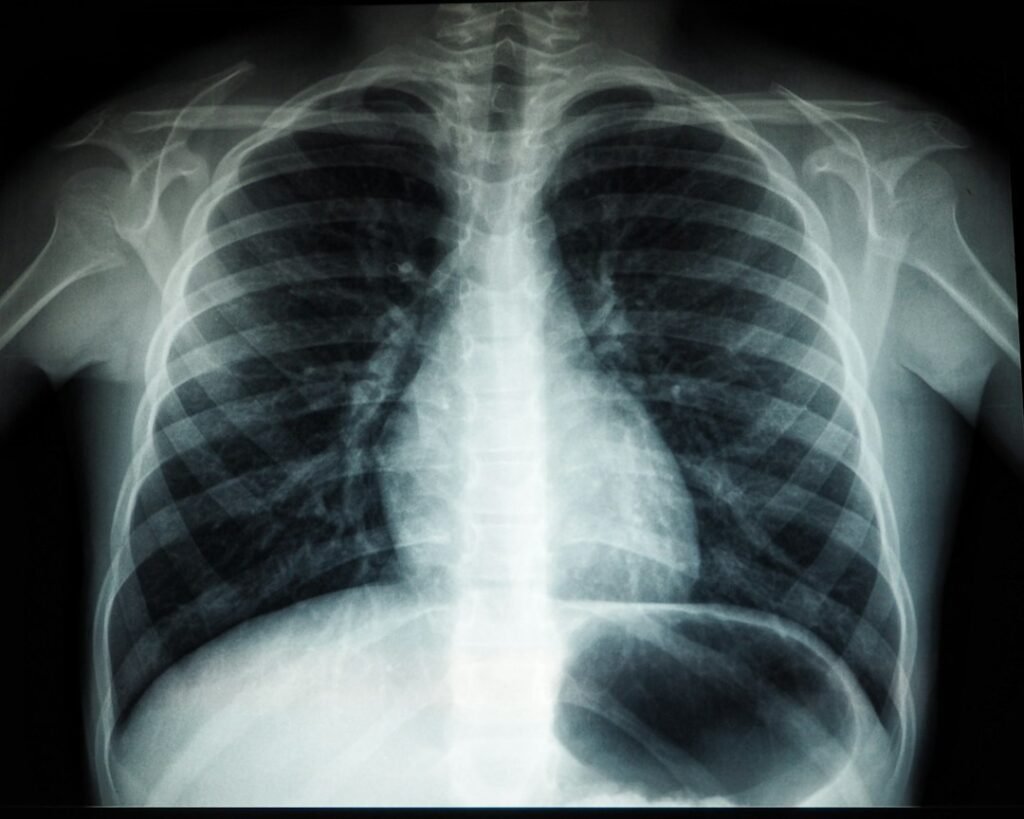
Radiation quality control (QC), radiation safety assessment, dosimetry and radiation protection programs are core parts of operating facilities that use ionising radiation in the UAE. Medcare Hub provides integrated support for medical and industrial users of radiation, including X-ray QC testing, radiation safety assessments, personal dosimetry, Radiation Protection Programs (RPP), Radiation Safety Programs (RSP), Radiation Protection Officer (RPO) training, shielding verification and FANR compliance support.
Radiation Quality Control UAE: Medical & Industrial Radiation Safety Services
FANR guidance and regulations place emphasis on quality assurance, radiation protection, monitoring, training, records and safe operation. For diagnostic radiology, FANR guidance describes QA arrangements, regular checking of safety systems, staff training, incident procedures and periodic review of safety performance. FANR-REG-24 also states that diagnostic and image-guided interventional QA, including imaging, calibration, dosimetry and equipment acceptance/commissioning, should be fulfilled by, under the oversight of, or with documented advice from a Medical Physicist, depending on the complexity and radiation risk. FANR Diagnostic Radiology guidance | FANR-REG-24
Which X-Ray and Radiation-Generating Equipment Can Require QC Testing?
The exact test protocol and frequency should be selected according to the equipment type, use, applicable regulatory requirements, manufacturer specifications and the facility’s QA program. Medcare Hub can support QC and safety assessment for a broad range of medical imaging systems, including:
- General fixed X-ray / digital radiography (DR) – generator performance, exposure accuracy/reproducibility, beam alignment, filtration/HVL, collimation and radiation output, with image-quality checks as applicable.
- Mobile and portable X-ray systems – output, exposure performance, mechanical and safety features, leakage/scatter evaluation and suitability for the intended clinical environment.
- Fluoroscopy systems – automatic exposure/control performance, dose-rate related measurements, image quality and radiation protection features as applicable.
- C-arm systems – fluoroscopic/image-quality performance, output/dose-related checks and radiation safety features.
- Interventional systems and Cath Lab X-ray systems – imaging, dose-related performance, safety features and system-specific QC.
- Mammography – dedicated mammography QC including image quality, compression and dose-related measurements appropriate to the system.
- Dental intraoral X-ray – tube output, exposure reproducibility, timer/kVp-related checks, alignment, leakage and image-quality assessment as appropriate.
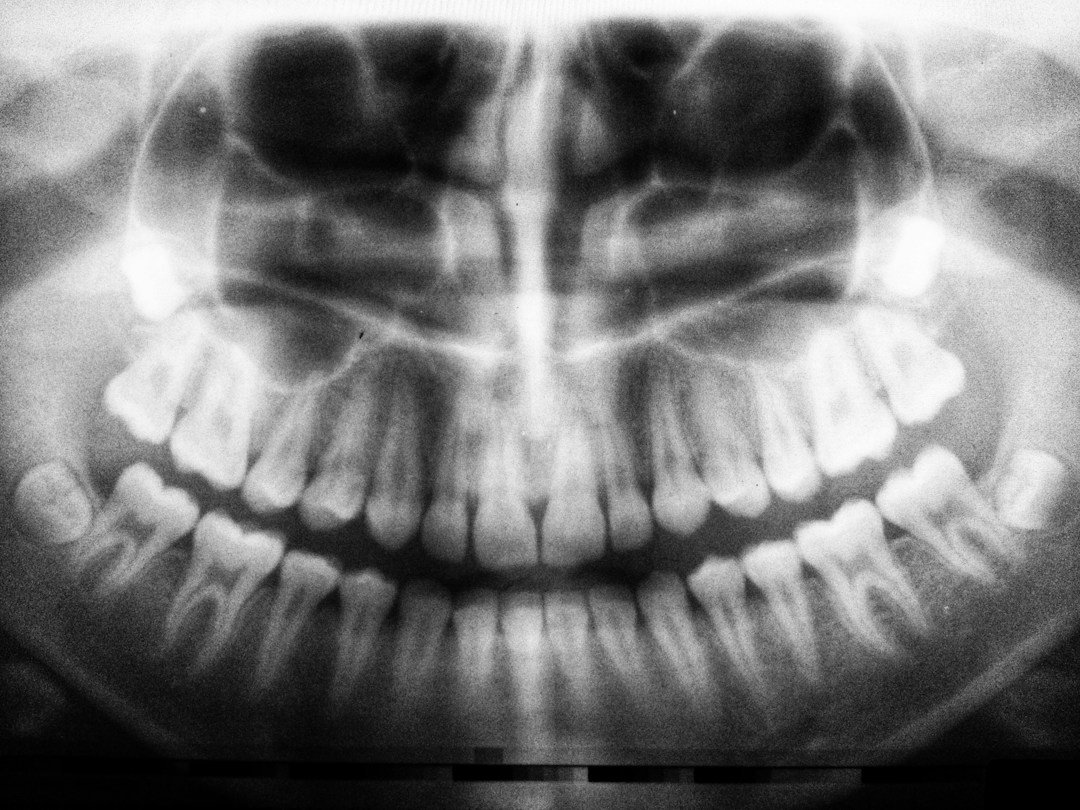
- Dental panoramic / OPG – panoramic imaging performance, exposure parameters, alignment and image-quality assessment.
- Cephalometric X-ray systems – exposure performance, alignment and image-quality checks.
- Dental CBCT – image-quality, output/dose-related and safety checks appropriate to the CBCT system.
- Computed Tomography (CT) – CT number accuracy, uniformity, noise, slice thickness, spatial resolution and dose-related testing using an appropriate protocol.
- Bone Densitometry (BMD / DXA) – equipment performance, calibration/quality assurance and dose-related checks appropriate to the modality.
- Other diagnostic X-ray generators – assessment can be tailored to specialized equipment and its intended application.
International basic safety standards likewise describe measurements at acceptance/commissioning, periodic checks, post-major-maintenance testing and corrective action when measured values fall outside established tolerances. IAEA International Basic Safety Standards
What Is Included in an X-Ray Quality Control Program?
A professional QC program is not a single measurement. It establishes a baseline and uses repeatable measurements to detect changes in equipment performance. Depending on modality, a QC visit may include visual and mechanical checks, exposure parameter checks, radiation output and reproducibility, beam alignment/collimation, filtration/HVL, leakage or area radiation measurements, image-quality testing, detector or system checks, safety interlocks and documentation of findings.
For facilities with recurring QC requirements, Medcare Hub can organize periodic testing schedules, baseline records, reports and corrective-action follow-up. QC should be integrated with preventive maintenance, training, records and the wider radiation protection and safety program.
Radiation Safety Assessment in the UAE
A radiation safety assessment examines the hazards and protection measures associated with a facility, equipment or regulated activity. Depending on the scope, this may include room layout, occupancy and workload assumptions, shielding adequacy, radiation levels, controlled and supervised areas, warning systems, operating procedures, monitoring arrangements, emergency preparedness and documentation.
FANR’s licensing guidance specifically refers to a safety assessment, workplace monitoring, individual dose monitoring, emergency plans, protection of patients where medical exposure is involved, and QA/process improvement. FANR guide for applying for a regulated materials licence
Personal Dosimetry: TLD, OSL, Film and Electronic Dosimeters
Personal dosimetry helps organizations monitor occupational exposure and review dose records. The correct dosimeter depends on the radiation source, work environment, measurement objective and the requirements of the relevant dosimetry service and regulator.
| Dosimeter type | Typical use | Key point |
|---|---|---|
| TLD badge | Routine personnel monitoring in medical and industrial radiation work | Passive dosimeter read after the monitoring period; commonly used for occupational dose records. |
| OSL dosimeter | Personnel monitoring where optically stimulated luminescence is used | Passive monitoring with high sensitivity and a reusable reader-based system. |
| Film badge | Traditional personnel monitoring and training contexts | Passive photographic method; less common in modern programs than TLD/OSL. |
| Electronic personal dosimeter (EPD) | Radiation work requiring immediate dose/dose-rate information | Provides real-time or near-real-time readings and audible/visual alarms depending on model. |
| Extremity dosimeter / ring badge | Hands and extremities close to radiation sources | Useful when hand dose may be significant, such as interventional or radionuclide handling work. |
| Area / workplace dosimeter | Workplace monitoring and trending | Used to characterize radiation levels in defined work locations; not a substitute for required personal monitoring. |
FANR guidance and application materials recognize arrangements for individual dose monitoring and dosimetry services. FANR also operates a Secondary Standard Dosimetry Laboratory that supports calibration of radiation-measurement devices used in healthcare, industry and nuclear fields. FANR Secondary Standard Dosimetry Laboratory
Radiation Protection Program (RPP)
A Radiation Protection Program is the management framework used to control occupational and public exposure arising from radiation activities. The content should be specific to the facility and its regulated activities rather than copied as a generic template.
An effective RPP can cover management responsibilities, RPO appointment and authority, radiation source inventory, controlled/supervised areas, local rules, operating procedures, workplace monitoring, personal dosimetry, training, incident reporting, emergency response, records, audits, QA and corrective actions. FANR’s application guidance specifically calls for many of these elements. FANR licensing guidance
Radiation Safety Program (RSP)
For facilities that use X-ray generators, radioactive sources or other regulated radiation activities, a Radiation Safety Program can translate the overall protection framework into practical procedures for daily work. The scope can include equipment controls, radiation surveys, access control, warning devices, staff responsibilities, training, emergency arrangements, incident investigation, monitoring instruments, records and periodic program review.
IAEA guidance similarly describes radiation protection and safety programs as covering management responsibility, training, controlled/supervised areas, worker monitoring, public protection, safety assessments, commissioning, maintenance, QA, audits and document control. IAEA radiation protection and safety program guidance
Radiation Protection Officer (RPO) Training – Medical Sector
Medical RPO training should be matched to the facility’s radiation activities and the responsibilities assigned to the RPO. Topics can include radiation protection principles, applicable UAE regulatory requirements, local rules, source and equipment control, workplace monitoring, occupational dose monitoring, patient protection, QA/QC awareness, incident reporting, emergency response and recordkeeping.
FANR guidance states that the RPO is the central point of reference for radiation protection and safety matters and should have sufficient relevant training and experience for the activities under their responsibility. FANR-RG-007 Radiation Safety
RPO Training – Industrial Sector
Industrial radiation work can involve industrial radiography, gauges, well logging and other regulated activities. RPO training for industrial organizations should therefore be matched to the hazard profile and regulatory scope. For industrial radiography, FANR guidance includes responsibilities such as radiation-safety oversight, controlled-area management, monitoring, worker dosimetry, source and equipment records, training and emergency response.
FANR’s industrial radiography guidance specifically calls for training and qualification of RPOs, radiographers and assistant radiographers, and describes RPO responsibilities related to controlled areas, dosimetry, dose-rate monitoring, source transport/storage and emergency response. FANR-RG-019 Industrial Radiography
Medical Radiation Safety Services by Facility Type
- Hospitals and government hospitals
- Private hospitals and medical centers
- Diagnostic imaging and radiology centers
- Dental clinics and dental centers
- Polyclinics and specialty clinics
- Orthodontic clinics using panoramic/cephalometric imaging
- Interventional radiology and Cath Lab departments
- Mammography and breast imaging centers
- Facilities operating CT and CBCT
- Facilities using BMD/DXA systems
Industrial Radiation Safety Services
- Industrial radiography companies
- NDT and inspection companies using X-ray generators or radioactive sources
- Oil & gas and energy-sector contractors
- Pipeline, fabrication and welding inspection activities
- Industrial gauge applications
- Well logging and related regulated activities
- Research, education and other authorized radiation activities
FANR’s published regulatory guidance identifies industrial radiography, gauging, well logging and other regulated activities within its radiation protection framework. FANR industrial radiography guidance
Radiation Safety Compliance Across All UAE Emirates
Medcare Hub supports organizations seeking radiation safety and compliance services across the UAE, including Abu Dhabi, Al Ain, Dubai, Sharjah, Ajman, Ras Al Khaimah, Fujairah and Umm Al Quwain. Service scope is customized to the facility, equipment, regulated activity and applicable federal and local authority requirements.
How Medcare Hub Can Support Your Facility
- X-ray and diagnostic imaging QC testing
- Radiation safety assessment and radiation survey support
- Shielding adequacy and leakage verification
- Personal dosimetry program coordination
- RPP preparation and implementation support
- Radiation Safety Program development
- RPO / RSO training for medical and industrial activities
- FANR licensing, renewal and compliance support
- Acceptance testing and commissioning support
- Corrective-action and compliance documentation
- Periodic compliance and safety review
Useful UAE Radiation Safety Resources
Federal Authority for Nuclear Regulation (FANR) · FANR-REG-24 · FANR-RG-019 · IAEA Safety Standards
Related Medcare Hub Services
Radiation Shielding UAE: X-Ray Room Design & Lead Shielding · Radiation Safety in the UAE: FANR Compliance · FANR Licensing for Medical & Dental Facilities · Healthcare Training in the UAE · Contact Medcare Hub
Book Radiation QC & Safety Support in the UAE
Need QC testing, radiation safety assessment, dosimetry, RPP/RSP documentation or RPO training for your medical or industrial facility?
Request a Consultation
WhatsApp Medcare Hub
Call Medcare Hub
Direct service enquiries: +971 50 776 7081. WhatsApp and call support are available through the buttons above.
Frequently Asked Questions
Which X-ray machines need QC testing?
QC requirements depend on the equipment and regulated activity. Common equipment covered by diagnostic imaging QA programs includes fixed and mobile X-ray, fluoroscopy, C-arm, dental X-ray, panoramic/OPG, mammography, CT, CBCT, interventional/Cath Lab systems and BMD/DXA, with equipment-specific protocols and tolerances.
How often should X-ray QC be performed?
The frequency is equipment- and program-specific and should follow applicable UAE requirements, the relevant QC protocol, manufacturer recommendations and the facility’s documented QA program. Additional testing may be appropriate after acceptance/commissioning, major maintenance or software changes that affect protection or performance.
What is the difference between RPP and RSP?
Terminology can vary by organization and regulatory context. An RPP generally describes the broader radiation protection management framework, while an RSP may describe the operational radiation safety procedures and controls implemented under that framework. The final document set should be aligned with the facility’s regulated activity and applicable FANR requirements.
Which dosimeter should radiation workers use?
There is no single universal answer. TLD and OSL are passive personal monitoring methods, while electronic personal dosimeters provide real-time information; extremity dosimeters are used when hand exposure needs separate monitoring. Selection should reflect the radiation source, work pattern, risk assessment and approved dosimetry arrangements.
Does industrial radiography require an RPO?
FANR’s industrial radiography guidance requires licensees to appoint at least one employee as an RPO and describes associated responsibilities, training and authority. See FANR-RG-019.
Can Medcare Hub support facilities outside Abu Dhabi?
Yes. Medcare Hub can support medical and industrial radiation users across Abu Dhabi, Al Ain, Dubai, Sharjah, Ajman, Ras Al Khaimah, Fujairah and Umm Al Quwain, subject to service scope, site requirements and applicable authority processes.
Disclaimer: This article is educational and does not replace the applicable FANR regulation, health-authority requirement, manufacturer instruction, or site-specific radiation protection assessment. Regulatory requirements and technical criteria can change; facilities should use the current applicable requirements for their activity.