
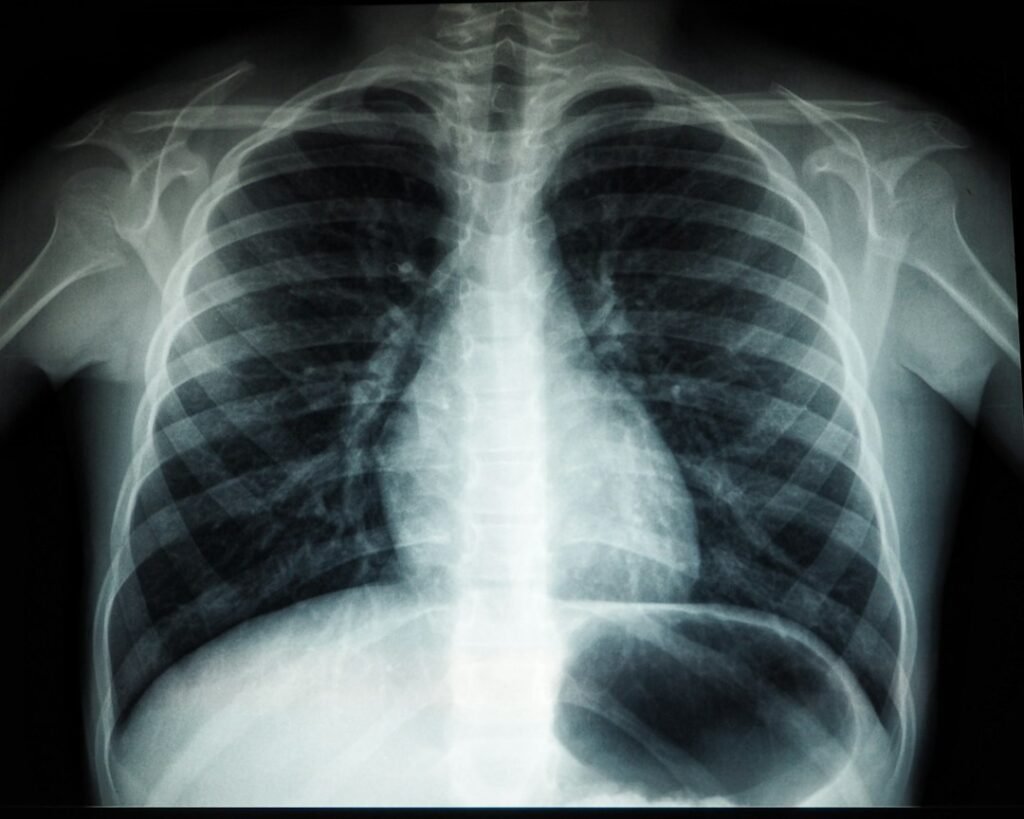
Radiation safety UAE services are essential for hospitals, clinics, dental centers, diagnostic imaging facilities and other organizations using ionising radiation. A complete program can combine FANR licensing support, radiation safety assessment, medical physics testing, quality control, shielding design and evaluation, workplace monitoring, dosimetry, Radiation Protection Programs (RPP), local rules, audits and Radiation Protection Officer (RPO) training.

What Does Radiation Safety Mean in the UAE?
Radiation safety is the organized application of engineering, technical, administrative and operational controls to keep exposure to patients, workers and the public appropriately controlled. FANR regulates activities involving ionising radiation within its regulatory scope, while healthcare facilities may also need to satisfy the requirements of the relevant health authority.
A practical compliance system can include licensing, equipment inventory, safety assessment, shielding, workplace monitoring, personal dosimetry, quality assurance, incident response, training and documented local procedures. Requirements depend on the radiation source and activity, so a facility-specific assessment is important.
FANR Licensing and Regulatory Support
Radiation facilities may need support with new applications, amendments, renewals, source/equipment information, supporting documents, Section-D related submissions, inspection preparation and corrective actions. Medcare Hub can help organize the technical and administrative documentation while the licensee remains responsible for meeting the applicable regulatory requirements.
Read our FANR licensing guide and UAE radiation safety guide.
Radiation Safety Assessment
A radiation safety assessment evaluates the radiation source, equipment, procedures, room arrangement, workload, occupancy, shielding, radiation levels, access controls and potential incident scenarios. The results can become a technical foundation for the facility’s radiation protection arrangements.
For X-ray rooms, assessment may be linked with shielding design, leakage measurements, area surveys and operational controls. For more complex radiation activities, the assessment should reflect the specific source and work process.
Medical Physics Testing and QC
Medical physics programs can include acceptance testing, commissioning checks, periodic QC and post-maintenance testing. Depending on modality, testing can address X-ray output and reproducibility, exposure parameters, alignment and collimation, filtration/HVL, image quality, CT performance and dose indicators, mammography performance, fluoroscopy/C-arm systems, dental imaging, nuclear medicine systems and other equipment-specific parameters.
Medcare Hub’s radiation QC and safety guide provides a detailed equipment list.
Radiation Protection Program (RPP)
An RPP should be written around the actual facility and its radiation activities. Typical elements include management responsibilities, RPO duties, source inventory, controlled and supervised areas, local rules, monitoring, personal dosimetry, training, incident reporting, emergency arrangements, records, audits and corrective actions.
Radiation Protection Officer and Training
The RPO is a key operational point of contact for radiation protection. Training should be appropriate to the source, facility and assigned responsibilities. Medical programs can address X-ray protection, patient protection, occupational monitoring, QA/QC awareness and incident response. Industrial programs require additional consideration of source control, controlled areas, work permits, surveys, transport/storage arrangements and emergency response where applicable.
See RPO/RSO training services.
Shielding Design, Evaluation and Integrity Testing
Shielding is not a one-size-fits-all lead thickness. The assessment should consider equipment workload, energy, use factor, occupancy, distances and room geometry. Medcare Hub can support radiation shielding design and evaluation, including verification of installed protection.
Dosimetry and Workplace Monitoring
Occupational monitoring may involve passive personal dosimeters such as TLD or OSL, electronic personal dosimeters for real-time dose information, and extremity monitoring where appropriate. Workplace surveys can complement personal monitoring by characterizing radiation levels in designated areas.
Radiation Safety Audits and Inspection Preparation
Internal audits can review licensing documents, equipment records, QC reports, dosimetry, training records, local rules, monitoring results, emergency procedures and corrective actions before a regulatory inspection.
Medical Radiation Safety Services Across the UAE
Medcare Hub supports healthcare facilities in Abu Dhabi, Al Ain, Dubai, Sharjah, Ajman, Ras Al Khaimah, Fujairah and Umm Al Quwain. Services can be arranged for hospitals, clinics, dental centers, diagnostic centers, imaging departments, mammography facilities and other authorized radiation users.
Useful Regulatory Resources
FANR · FANR-REG-24 · IAEA Safety Standards
Request Radiation Safety Support
Need a radiation safety assessment, QC testing, shielding evaluation, RPP, dosimetry program or RPO training? Contact Medcare Hub for a facility-specific scope.
Book a UAE Radiation Safety Consultation
FAQ
Does every radiation facility need the same RPP?
No. The program should reflect the radiation sources, activities, equipment, staffing and applicable regulatory requirements.
When is medical physics QC performed?
Testing can be performed at acceptance/commissioning, periodically and after relevant maintenance or changes, according to the applicable protocol and equipment.
Does Medcare Hub serve all Emirates?
Yes, service coverage can be arranged across all seven Emirates, subject to site and project requirements.
This article is educational and does not replace current FANR requirements, health-authority requirements, manufacturer instructions or a site-specific radiation protection assessment.